culture
Stockholm's July Calendar Shows How the City Is Redefining Itself as a Creative Force
From experimental theater to design festivals, this summer's cultural lineup reveals a Stockholm that refuses to play it safe.
3 min read
culture
From experimental theater to design festivals, this summer's cultural lineup reveals a Stockholm that refuses to play it safe.
3 min read
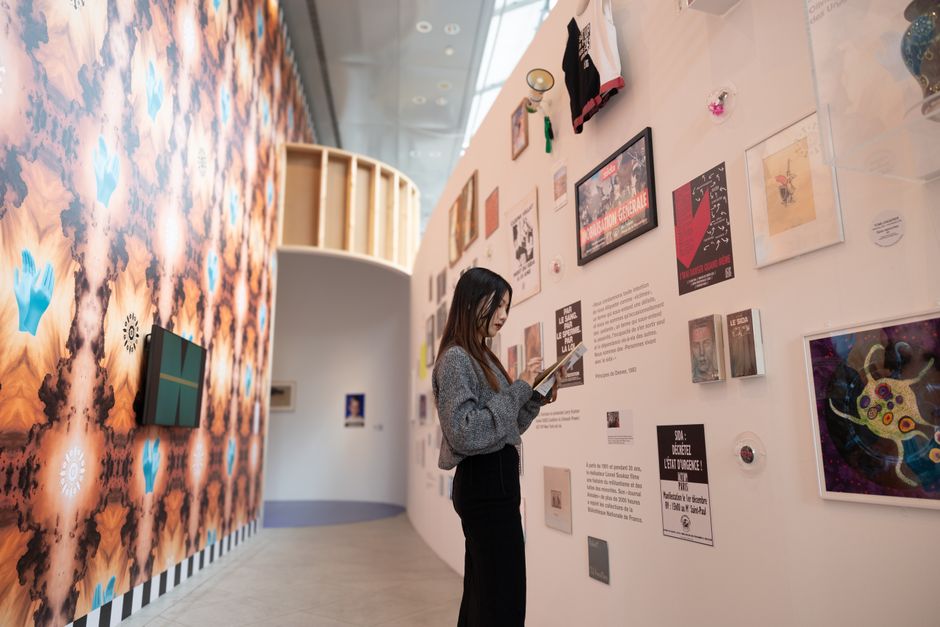
Stockholm's cultural calendar for July is packed with the kind of programming that tells you something about who a city thinks it is. This month, the Swedish capital is hosting everything from a major photography biennial to intimate theater productions in converted warehouses—and the breadth of what's on offer suggests a city actively reshaping its creative identity away from the polished, design-forward image it's cultivated for decades.
The stakes matter now. As Europe contends with economic uncertainty, geopolitical tension creeping closer to Scandinavia's borders, and the kind of social fragmentation that makes cultural institutions all the more vital, Stockholm's summer programming reflects a deliberate choice: to prioritize risk-taking, accessibility, and conversations about identity over safe commercial appeal. The Fotografiska museum on Stadsgården reopens July 10 after renovations with an exhibition exploring migration and displacement—hardly the cheerful, Instagram-friendly fare some might expect from a Stockholm cultural institution. Meanwhile, the Royal Dramatic Theatre's summer season emphasizes Nordic noir adaptations and experimental work alongside classics.
Norrmalm and Södermalm remain the epicenters of this activity, but the geography of Stockholm's cultural life has genuinely shifted. Fotografiska's relocation to the waterfront near Gamla Stan puts it steps from major transit routes and tourist flows, but the programming suggests the museum isn't chasing that demographic. The Cullberg Ballet, based at Dansmuseet in Norrmalm, is mounting a series of commissioned pieces throughout July that deliberately engage with questions of belonging and displacement—subjects that feel urgent rather than abstract when you're living in a Scandinavian country watching Russian military movements on the news.
Smaller venues are equally important to the conversation. Ladugården in Södermalm, a cooperative performance space housed in a converted warehouse on Folkungagatan, is running an open-call artist residency program this month that accepts submissions until July 15. The program pays participating artists 6,500 kronor per week and provides studio space—modest by international standards, but a genuine commitment to supporting work that might not find funding through conventional channels. That kind of infrastructure matters when you're trying to figure out what a city's creative DNA actually is.
Attendance figures at Stockholm's major cultural institutions have climbed steadily over the past three years. The Moderna Museet reported 547,000 visitors in 2025, up from 489,000 in 2023. That growth would be unremarkable except for what's driving it: expanded programming focused on Nordic and Eastern European artists, more free admission days, and deliberately unsexy subject matter. The Vasa Museum, which attracts the tourist crowds, actually saw flat attendance in 2025 compared to 2024—a sign that Stockholm's cultural momentum isn't coming from heritage tourism.
This July, expect to pay 195 kronor for most major museum admissions, with free entry for under-19s at most institutions. The Docklands Festival, running July 18-20 near Tegelvikshamnen, charges no admission for its outdoor programming—theater, music, installation work—and is specifically designed to reach people who don't typically attend formal cultural venues.
The practical reality is straightforward: if you're in Stockholm this month and want to understand what the city is becoming, skip the obvious landmarks. Catch something uncomfortable. Go to Ladugården on a Thursday evening. Walk into the Fotografiska without a plan. Talk to the artists actually making work in the studios scattered across Södermalm and along the industrial waterfront. That's where Stockholm's creative identity is being written right now.
About this article
Published by The Daily Stockholm
Spread the word
Daily brief
Free, in your inbox before 7am. Weekdays.
The Daily Network — local news across Australia
