culture
Stockholm's Cinemas Evolve: 15 Screens Chart 111 Years of Swedish Film
Stockholm's 15 or so cinemas tell a century-long story of film culture, from the oldest screen in Östermalm to a historic studio complex now recognised by Europe's film academy.
How we reported this
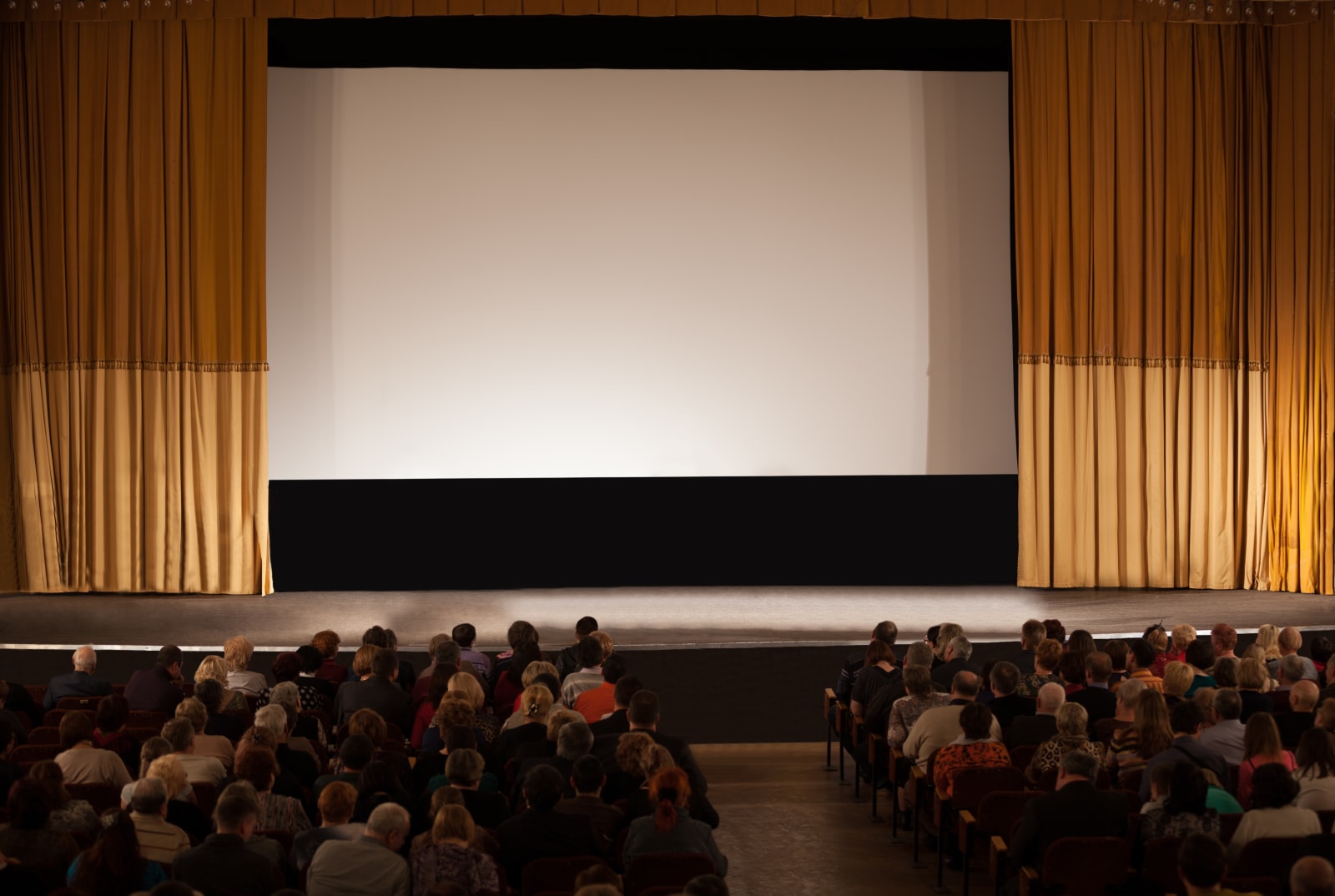
Stockholm's cinema culture spans more than a century, with around 15 movie houses still operating across the city. The story begins in Östermalm, where Bio Zita first opened its doors in 1913, making it the oldest surviving cinema in Stockholm. Over in Hornstull, Bio Rio followed in 1943 and built a reputation for art-house and cult classics that still draws audiences today.
These independent venues sit alongside multiplex chains like Filmstaden, but together they represent something larger: a city that has taken film seriously since the silent era. In 2024, that history earned formal recognition when Gamla Filmstaden, Sweden's historic former studio complex in Råsunda, was added to the European Film Academy's 'Treasures of European Film Culture' list. The designation puts Stockholm's cinematic heritage alongside the continent's most significant film locations.
From Studio Lot to Living Room
Gamla Filmstaden in Råsunda operated as Sweden's primary film production hub for much of the 20th century. Its inclusion on the European Film Academy list acknowledges the role those soundstages and backlots played in shaping Swedish cinema. Today, the site is no longer a working studio, but its legacy is preserved in the city's active screening rooms.
The Stockholm International Film Festival keeps that tradition alive each November. Over 12 days, the festival screens more than 200 films from 60 countries, with a programme tilted toward emerging directors. It is a deliberate focus: the festival's identity has long been about giving younger filmmakers a platform, and that curation sets it apart from more commercial events.
What Films Cost and Where to Find Them
For everyday moviegoing, the average ticket price for a first-run film in Stockholm hovers around SEK 70 to 80. Discounts are available on Mondays and through membership cards from SF Bio, the chain that operates many of the city's multiplex screens. The independent venues, Bio Rio, Bio Zita, Bio Capitol, tend to price similarly, though their programming leans away from Hollywood blockbusters toward retrospectives, directors' cuts and restored classics.
Bio Zita, at 113 years old, still operates with the charm of a cinema that predates most of the films it screens. Bio Rio, now in its ninth decade of operation, continues to programme the kind of repertory that keeps regulars coming back: double features, cult staples and the occasional all-nighter for genre fans.
Planning Your Visit
For travellers timing a trip around the festival circuit, the Stockholm International Film Festival's November dates are the high point of the city's cinematic calendar. Outside that window, the independent cinemas offer year-round programming that rewards advance booking, weeknight screenings at Bio Rio and Bio Zita can sell out for special events. Monday discounts make it the most affordable evening out, while SF Bio membership cards offer consistent savings for anyone planning multiple visits. Checking individual venue schedules a week ahead is the best way to catch limited-run screenings before they leave the city's screens.
References Sourced but Not Limited to:
- routesnorth.com · Stockholm for film fans and photographers
- visitstockholm.com · Mikaela kindblom my 5 tips in stockholm for film lovers
- visitstockholm.com · Vince scheynius my 5 favourite cinemas in stockholm
- yourstockholmtour.com · The best cinemas in stockholm where to watch a movie in style
- en.filmstadenskultur.se
- locatecinemas.com · Stockholm