lifestyle
Stockholm’s Fika Culture: What Makes This City Unique Compared to Others Around the World
While global trends push for speed, Stockholm’s coffee scene prioritizes the intentional pause, cementing a lifestyle that defies the frantic pace of international capitals.
How we reported this
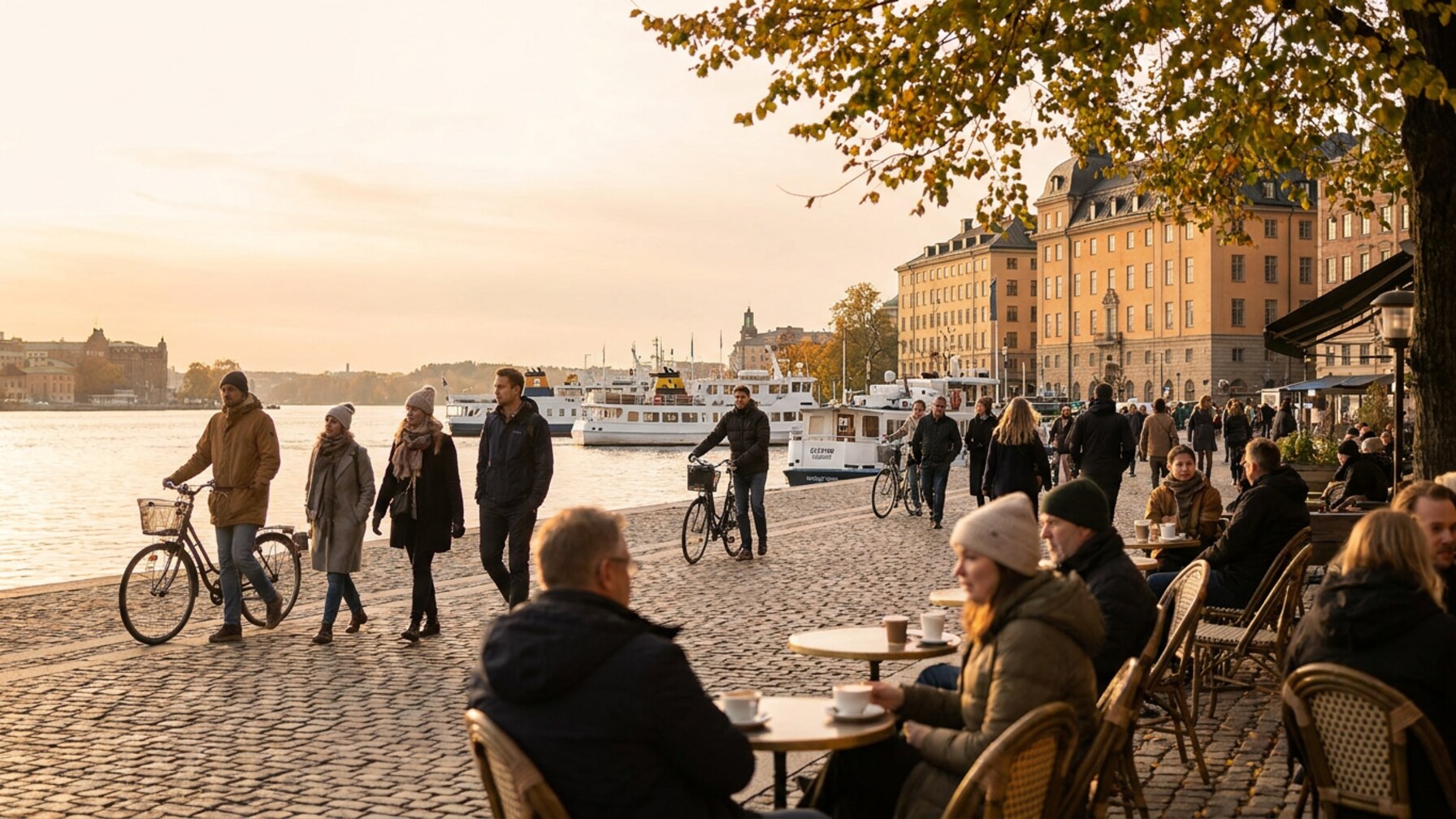
Stockholm’s morning ritual has transformed from a simple caffeine requirement into an institutionalized social anchor that sets the city apart from the high-velocity urban centers of London or New York. The local commitment to the fika tradition-a deliberate, daily break for coffee and pastry-is no longer just a workplace habit; it has become the defining characteristic of the capital's hospitality sector.
The Architecture of the Modern Brunch
In neighborhoods like Södermalm and Vasastan, the brunch experience is defined by a rejection of the globalized "brunch-as-a-service" model. Instead, venues such as Drop Coffee on Wollmar Yxkullsgatan focus heavily on the relationship between roastery expertise and minimalist interior design. Similarly, Rosendals Trädgård on the island of Djurgården offers an ecosystem that grounds the dining experience in the physical landscape of the city, utilizing its own biodynamic gardens to source ingredients.
This reliance on local seasonality distinguishes Stockholm from cities that depend on imported supply chains for their menu consistency. By integrating the harsh Nordic climate into the culinary identity, cafes maintain a connection to the geography that remains rare in other international hubs. Whether it is the sourdough focus at Fabrique or the rotating roast profiles found at Johan & Nyström, the emphasis remains on craft rather than turnover.
Economic Resilience and Sustaining the Pause
Data from the Stockholm Chamber of Commerce suggests that the city’s service sector has shown steady resilience through mid-2026, largely supported by a population that continues to prioritize social consumption despite shifting economic pressures. While inflation has impacted the cost of imported goods, the local preference for high-quality, regionally produced baked goods-most notably the Swedish kardemummabulla-has kept demand for these neighborhood anchors consistent. According to recent trade reports, the leisure and hospitality sector remains a central pillar of the city's economic health as of July 2026.
For those navigating the city, the advice remains consistent: ignore the urge to grab a beverage for the road. The unique strength of the Stockholm experience lies in the physical space of the cafe. Visitors looking to truly integrate should look for establishments that prioritize communal seating, as these spaces continue to serve as the primary nodes for social interaction in an increasingly digitized society. As the summer sun lingers over the archipelago, the local expectation is not for a quick service, but for a seated hour that effectively punctuates the day.