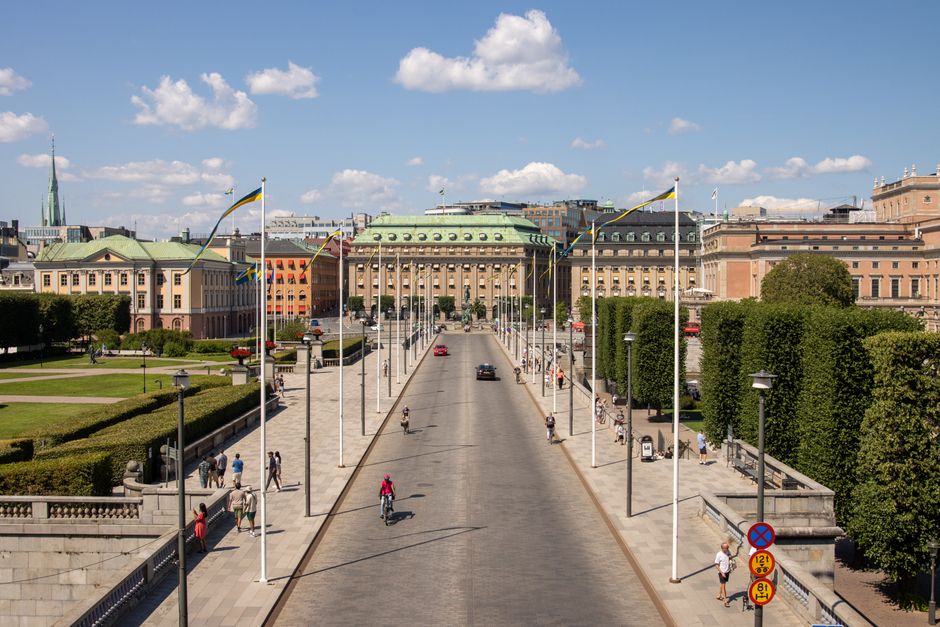
Stockholm's city administration is undertaking a systematic review of its official digital image archive after an internal audit found thousands of duplicate photographs clogging the municipal media library — copies that have slowed workflows at agencies from Södermalm to Östermalm and cost the city measurable sums in redundant storage licensing fees since at least 2022.
The problem did not appear overnight. It is the product of decisions made across multiple budget cycles, a fragmented procurement history, and the particular way Stockholm chose to digitise its public communications infrastructure in the years following the pandemic. Understanding how the archive arrived at this state matters now because the city's Cultural Administration, Kulturförvaltningen, is preparing a new unified media-management contract worth an estimated 4.2 million kronor over three years — and officials want to avoid repeating the same structural mistakes.
A Patchwork of Systems That Never Spoke to Each Other
The roots of the duplication problem stretch back to 2018, when individual district councils — stadsdelsnämnder — began contracting separate digital asset management platforms without coordinating with the central IT office at Stadshuset. Kungsholmen's district office used one vendor. Rinkeby-Kista used another. The communications teams for Stockholm Vatten och Avfall, the city's water and waste utility, maintained a third repository entirely. When the pandemic accelerated the shift to remote working in March 2020, staff began downloading and re-uploading photographs locally, multiplying files across shared drives and email threads. By the time anyone looked closely, the same aerial shot of Gamla Stan appeared in at least eleven separate folders across four different platforms.
Kulturförvaltningen commissioned an independent inventory of the central Stadsarkivet-linked image collections in the spring of 2025. The review, completed in November of that year, found that roughly 34 percent of all image files in the primary municipal library were exact or near-exact duplicates — some dating to original photography commissions from as far back as 2014. Storage costs for redundant files had been running at approximately 180,000 kronor annually in licensing and server fees, according to the audit's summary presented to the city's finance committee in February 2026.
The duplication was not merely a storage headache. Press officers at the city's communications unit on Hantverkargatan reported spending significant chunks of their working week manually searching for correct, licensed versions of images before publication — a task that should take minutes but was routinely taking hours because search results surfaced dozens of identical thumbnails with different file names, timestamps, and rights metadata. Some images had been inadvertently re-licensed multiple times, creating legal ambiguity around usage rights.
What the Cleanup Actually Involves
The practical work of de-duplication began in January 2026, handled in the first phase by Stockholm's internal IT service arm, Stockholms Stads IT-bolag. Staff used automated hashing tools to identify byte-identical files, then moved to a manual review stage for photographs that were near-duplicates — different crops or resolutions of the same original. The Stadsmuseet on Slussen has been involved in advising on which historical images carry archival value and should be retained even when duplicated, since some copies contain different metadata of documentary importance.
Phase two, scheduled for the final quarter of 2026, involves migrating surviving unique images into a single consolidated platform with standardised taxonomy — meaning consistent tagging by neighbourhood, date, subject, and rights status. That migration will feed directly into the new media-management contract now out for tender.
For anyone working with the city's public image bank — journalists, community organisations in Hammarby Sjöstad, planners in Bromma — the practical advice right now is straightforward: treat any image sourced from the existing municipal portal as potentially unlicensed until the new system goes live. The city's communications office has confirmed a dedicated rights-clearance contact for urgent requests while the consolidation is underway. The full archive is expected to be accessible through the new unified platform by March 2027 at the latest, provided the procurement process completes on schedule this autumn.