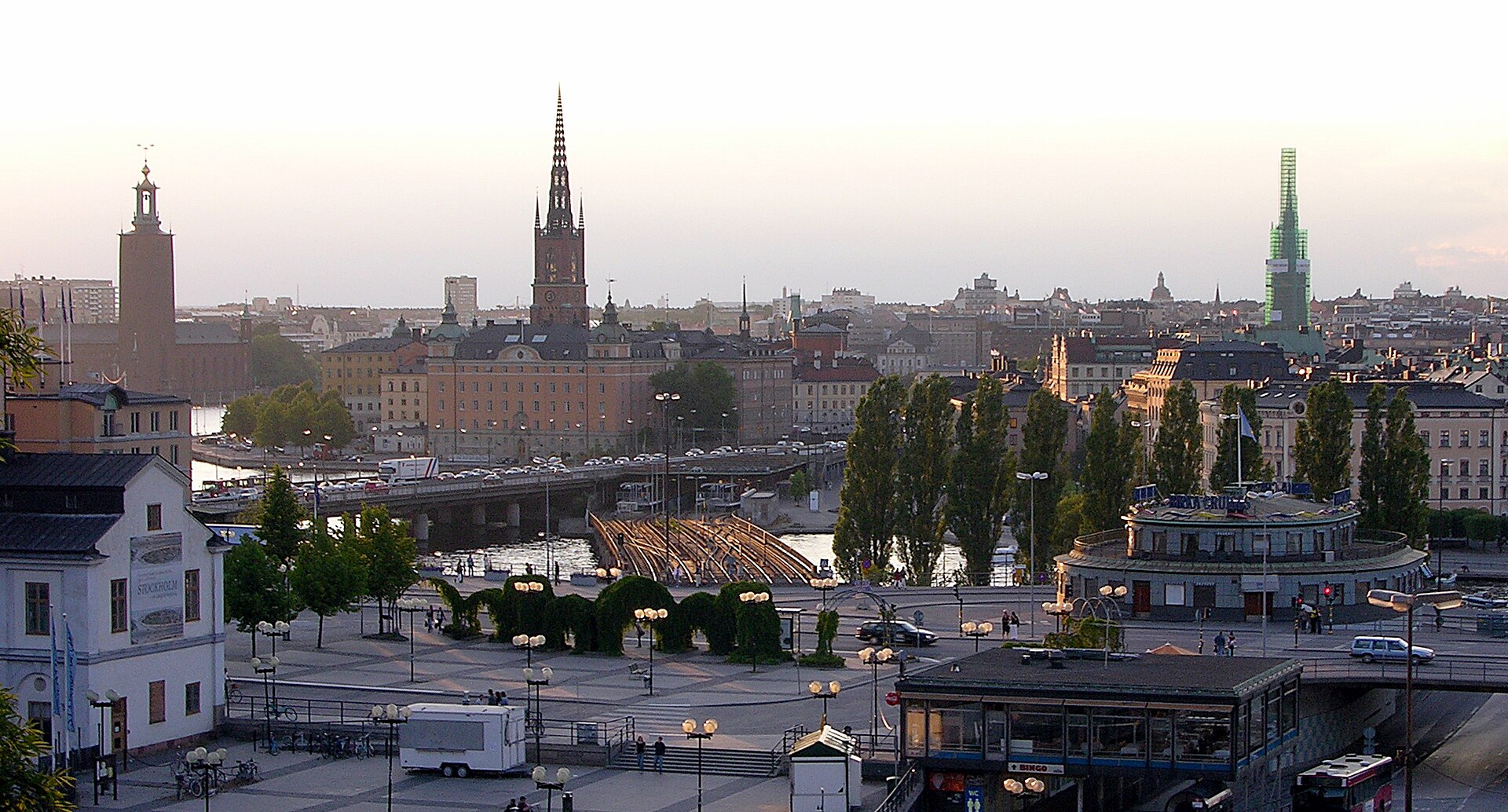
Stockholm's city council has been navigating a period of fiscal pressure that is reshaping how basic services are delivered across the Swedish capital's 14 administrative districts. The current policy direction, driven by the Moderaterna-led majority on Stadshuset, emphasises maintaining core infrastructure investment while tightening eligibility in some social support programs. For hundreds of thousands of residents, the changes are playing out in measurable, everyday ways: longer waits for elderly care placement, adjusted public transport subsidies and renewed construction approvals in outer districts such as Järva and Skärholmen.
The pressure is not unique to Stockholm. Sweden's municipalities have been caught between rising demand for welfare services, linked in part to an ageing population, and constraints flowing from the national government's fiscal framework. The Swedish Association of Local Authorities and Regions, known as SKR, has consistently flagged the structural mismatch between what municipalities are required to deliver under law and the tax revenues available to fund those obligations. Stockholm, as the country's largest and wealthiest municipality, has more fiscal flexibility than most, but it is not immune.
What the Policy Shift Means Street by Street
For older residents, the most tangible change is in home care. The city has been refining its needs-assessment process for hemtjänst, the home-based assistance service that helps elderly Stockholmers with daily tasks. Advocates working with senior citizens in districts including Östermalm and Enskede-Årsta-Vantör have noted that assessments are becoming more stringent, meaning some residents who previously qualified for regular support are being asked to demonstrate a higher level of need. The city's stated rationale is to concentrate resources on those with the greatest dependency, but for families managing an ageing relative's care at home, the practical result can be a gap in daily support.
Renters and prospective buyers across the city are watching the housing construction pipeline closely. Stockholm has long faced a structural housing shortage, and the council's planning approvals for new residential development in the western corridor, including Hässelby and Vällingby, are expected to add thousands of units over the next several years. The benefit for residents is gradual: more supply is projected to ease competition in the rental queue, where wait times through the Bostadsförmedlingen system have stretched into years for many applicants. The city says the policy will also prioritise mixed-tenure developments, meaning both rental and owner-occupied units within the same project.
Transport, Schools and the Districts That Feel Left Behind
Public transport remains the sharpest daily concern for outer-district residents. Stockholm's regional transport authority, SL, operates under a separate regional budget set by Region Stockholm rather than the city council directly, but the city's infrastructure decisions shape which corridors attract investment. Current policy gives priority to extending the Tunnelbana blue line toward Nacka, a project years in the making. Residents in southern districts such as Rågsved and Bandhagen, who rely on bus connections that do not benefit directly from the metro extension, have been vocal in local consultation rounds about feeling deprioritised.
Schools sit closer to the city council's direct control. Stockholm has maintained its per-pupil funding formula for both municipal and independent schools, reflecting Sweden's national school choice framework. However, several district-level school consolidations, where lower enrolment has prompted the city to merge smaller schools, have drawn concern from parents in affected neighbourhoods. The policy is designed to improve resource efficiency, but it means longer travel times for some primary-age children.
What comes next depends partly on how Sweden's national economic outlook evolves through the second half of 2026. If tax revenues at the municipal level come in below the city's projections, further adjustments to discretionary spending, including cultural facilities and library hours, are expected to follow in the autumn budget revision. The city's finance committee is scheduled to present a mid-year fiscal review later this month, which will give residents and councillors the first clear picture of whether current spending is tracking within plan. For Stockholmers across all 14 districts, that document will signal whether the coming winter brings stability or another round of difficult trade-offs.