Property
Årsta: Stockholm’s Growth Corridor Suburb Draws Investment Amid Major Infrastructure Overhaul
With new tram lines and green developments, Årsta cements its place as Stockholm’s next property hotspot.
3 min read
Property
With new tram lines and green developments, Årsta cements its place as Stockholm’s next property hotspot.
3 min read
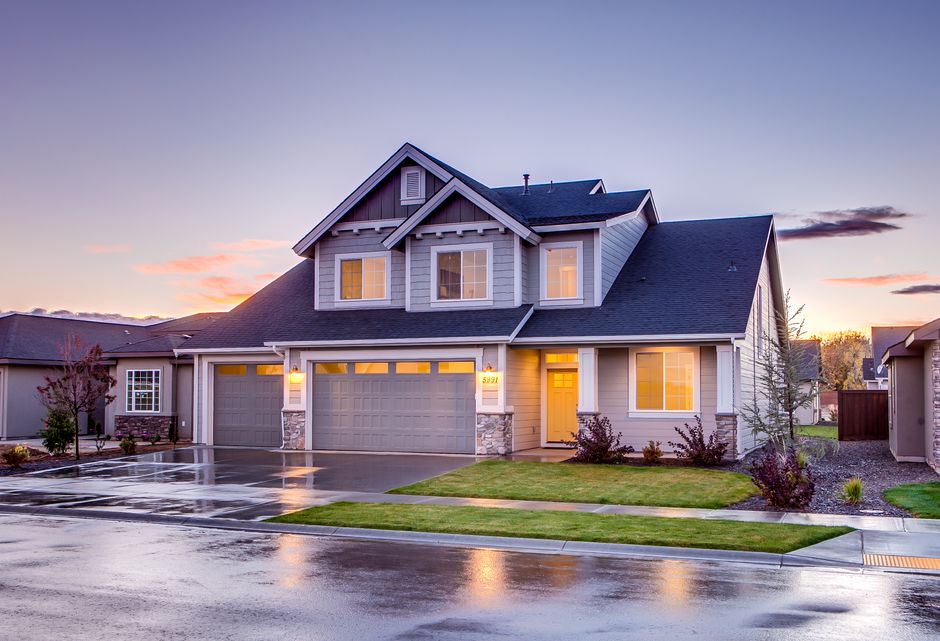
When the first spades hit the ground at Årstafältet’s northern edge this spring, Stockholm’s property insiders took notice. The historic industrial wedge between Gullmarsplan and Årstaberg is fast transforming into a key growth corridor, driven by billions in infrastructure investment and a wave of new housing projects that are drawing both residents and investors to the suburb.
This surge in interest is no accident. With Stockholm’s core squeezed by limited supply and rising prices—recent figures from Svensk Mäklarstatistik put the city’s average apartment price at 92,500 kronor per square metre—the city’s expansion southwards is inevitable. Årsta, once overlooked, is now on the radar as essential new tram connections and cycling infrastructure improve its links to central and southern Stockholm.
Central to Årsta’s revival is the extension of the Tvärbanan tram line, which now serves the newly opened Årstafältet station as of February 2026. The Stockholm Transport Authority (SL) reports ridership at the new stop already matching early projections, connecting commuters efficiently to hubs like Liljeholmen and Sickla. Just a few blocks west, major upgrades at Årstaberg station have doubled train capacity and improved transfer times, reducing morning congestion for workers heading into the city.
Urban development agency Stockholms stad has greenlit over 6,000 new apartments around Årstafältet and Östberga, with developers like Ikano Bostad moving quickly to pour concrete for several multi-storey complexes. Årstaparken, a 30-hectare green public park under construction, is slated for completion in late 2027, promising residents lakeside boardwalks, football pitches, and new community event spaces along Sandfjärdsgatan.
With infrastructure upgrades accelerating, property values are following suit. According to Fastighetsbyrån, apartment prices in Årsta jumped 7.8% year-on-year, with average two-bedroom flats now selling for 4.9 million kronor. Rental yields have attracted the attention of international buyers, especially as interest rates have stabilised below 4% following Riksbank’s spring rate cut. In comparison, central Södermalm prices have plateaued at just under 110,000 kronor per square metre, highlighting Årsta’s relative value.
Schools and childcare places are growing too, with a new bilingual preschool approved near Årsta IP, catering to the area’s increasingly young and international demographic. Local businesses are moving in as well; craft brewery Omnipollo recently announced plans to open a taproom along Årsta Skolgränd by winter 2026.
This sharp upswing comes with a ticking clock. Several large tracts near Årstaängsvägen and Valla Torg are already pre-committed to early-phase buyers, but off-plan apartment releases are expected from Botrygg and Wallenstam over the coming months. For prospective residents, the advice from local agents is clear: expect competition, and be prepared to move quickly on units with views over Årstafältet park or proximity to the tram and new cycling corridors.
Stockholm City’s long-term plans call for over 12,000 new homes along the Södra länken transit spine by 2035, much of them clustered in Årsta and its surrounds. For investors weighing up the next phase of Stockholm growth, following the tram tracks south may be a bet worth making.
Property

Property

Property

Property
About this article
Published by The Daily Stockholm
Spread the word
Daily brief
Free, in your inbox before 7am. Weekdays.
The Daily Network — local news across Australia