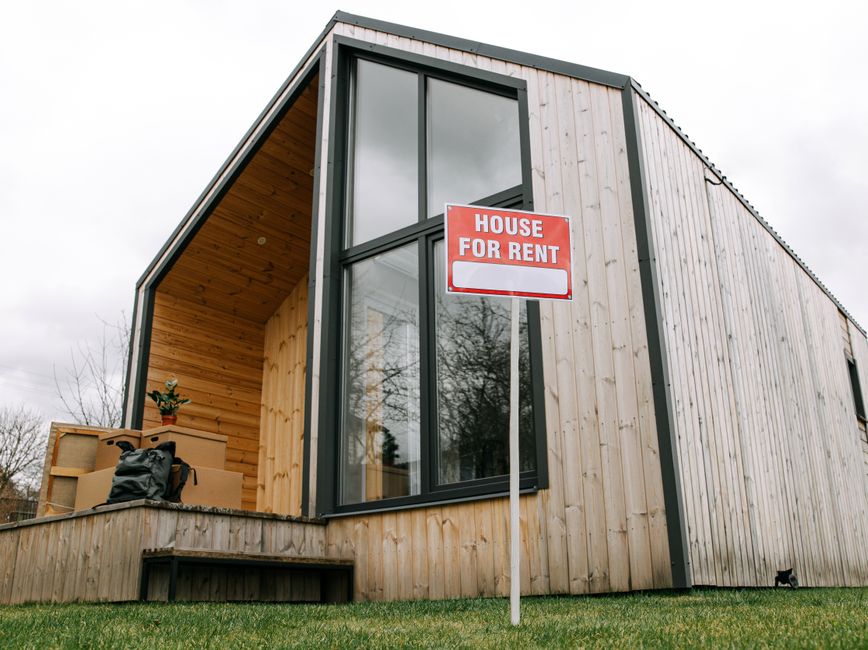
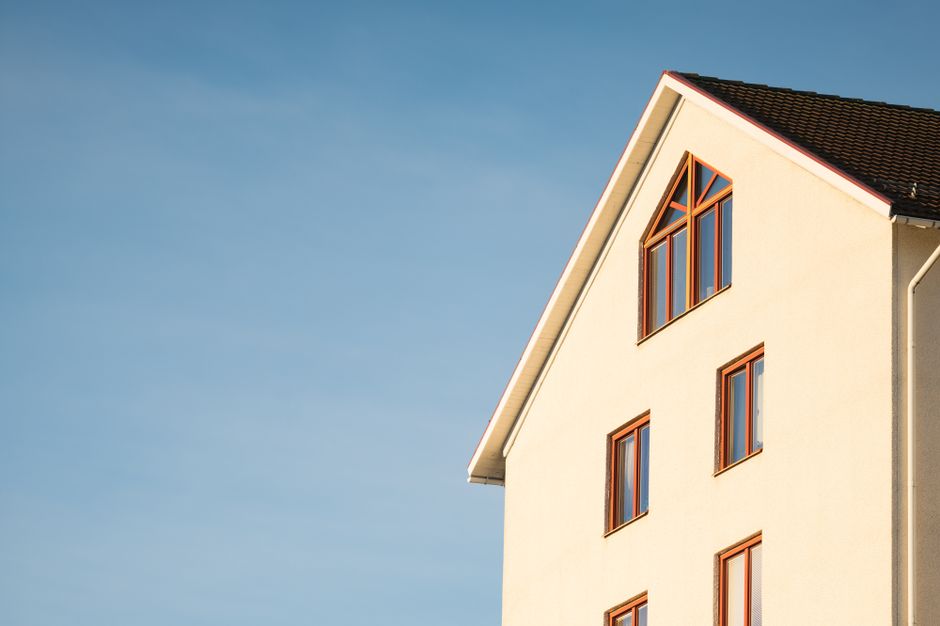
Sara Lindgren spends her weekends jogging around Hagaparken and grabbing coffee with friends near Odenplan. But unlike most Vasastan residents, Lindgren isn't pouring a third of her income into an oversized mortgage. She rents a compact studio here, while quietly building equity on a small two-bedroom apartment she owns in Tensta—a classic move for Stockholm's growing cohort of "rent-vestors".
Stockholm's Squeeze Forces Creative Thinking
Stockholm property prices show little sign of easing, despite a softer year in 2024. In June, a one-bedroom apartment in Södermalm averaged 4.95 million kronor, while even modest options in the outer suburbs linger around 2.2 million, according to data from Hemnet. The city’s long-standing rental queue system still leaves newcomers facing waits of a decade or more for a first-hand contract in popular areas.
Local mortgage brokers, such as those at SBAB and Handelsbanken's Stureplan branch, say inquiries about "buy-to-let" and ownership outside the immediate city core have doubled since last summer. "Many younger professionals simply cannot buy where they want to live. Instead, they’re building long-term wealth elsewhere while renting closer to work and amenities," said one SBAB consultant, who spoke on background due to company policy.
Numbers Behind the Trend
Stockholm's bifurcated affordability landscape underpins this movement. According to Svensk Mäklarstatistik, average square meter prices in Stockholm municipality stand at 97,500 kronor. But further west near Jakobsberg station, that figure drops to 53,200 kronor—a gap that often means the difference between a 400,000 kronor down payment or an impossible 1 million plus. Meanwhile, median monthly rents for a second-hand contract in Vasastan or Östermalm hover around 14,000–16,000 kronor for a one-bedroom. In Tensta, average rent for the same size is often half that.
The Stockholm Housing Agency (Bostadsförmedlingen) confirms that by May 2026, the wait time for a first-hand rental in Södermalm climbed past 15 years, yet a buyer ready to consider Hässelby or Rågsved can usually find an entry-level apartment for under 2.1 million kronor. For some, renting in the centre and buying to rent out or occasionally stay in the suburbs beats the twin traps of being locked out of both markets.
Those pursuing rent-vesting, however, must factor in rules: buyers can legally let out their "bostadsrätt" (tenant-owned flat) with board approval, though some föreningar (housing associations) in central Stockholm restrict sublets. Tax rules on rental income and capital gains also apply. On the upside, rising migration into the Stockholm region—up 6% since 2022, SCB reports—sustains strong demand for both owned and rented flats.
Looking Forward: Is Rent-Vesting for You?
With the central bank's repo rate stabilised at 3.5% since April and little likelihood of dramatic price drops, analysts at Fastighetsbyrån advise budgeting for interest rate movement and unforeseen repairs, especially for older stock in outer boroughs. Prospective investors should check association financials on sites like Allabrf.se, and consult with Skatteverket for the latest on "hyresintäkt" (rental income) taxation.
For Stockholmers priced out of city centre homeownership, rent-vesting has emerged as a realistic way forward—if you’re ready to manage a second property, navigate rental board bylaws, and keep an eye on fluctuating markets. With migration to the capital expected to remain high and rental demand strong across boroughs, those employing this strategy are betting that owning anywhere is still better than owning nowhere at all.