wellness
Stockholm's Secret Green Corridors: The Hidden Nature Walks Locals Love But Tourists Miss
While visitors queue for the Vasa Museum, Stockholmers are slipping into ancient forest paths minutes from the city centre, and the city's wellness culture depends on keeping them that way.
How we reported this
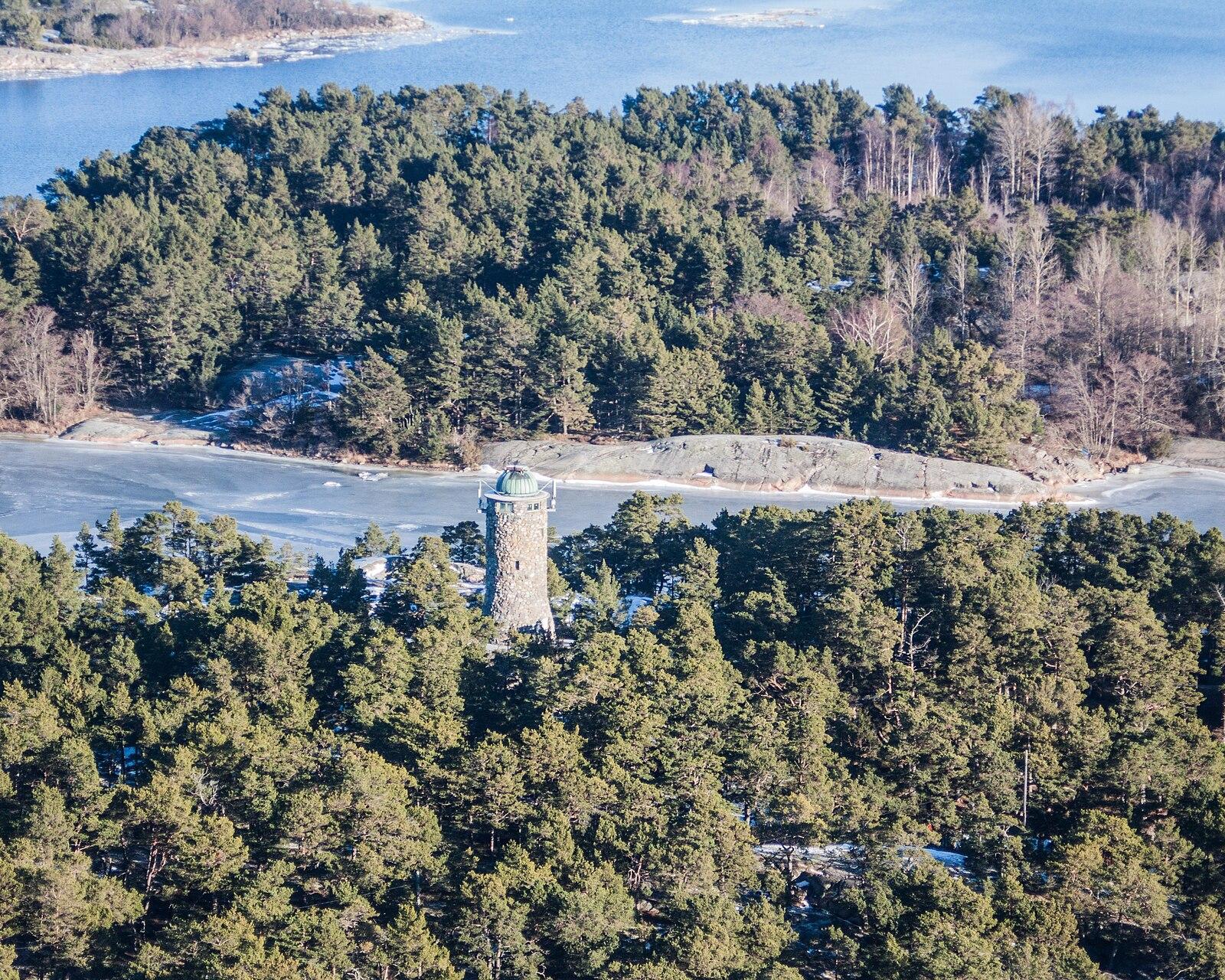
Stockholm has 75 kilometres of marked nature trails within its municipal boundaries. Most tourists never find a single one. They follow the amber glow of Gamla Stan's cobblestones, ride the ferry to Djurgården's manicured lawns, and head home having missed the city's real outdoor life entirely.
That gap matters more in July 2026 than it did even two years ago. Urban wellness research across Nordic cities has consistently shown that unstructured access to mature forest, not just groomed parks, is the variable that most strongly correlates with reduced cortisol levels and improved sleep quality. Stockholm's urban planners at Stockholms Stad have quietly leaned into this, investing 42 million kronor since 2024 in trail maintenance and wayfinding upgrades across the city's nature reserves. The results are there for anyone willing to walk ten minutes off the tourist drag.
The Paths the City Keeps to Itself
Tyresta National Park gets the headlines, but it's a 30-kilometre drive south. The trails that locals actually use on a Thursday evening are closer and stranger. Nackareservatet, which stretches from Nacka municipality into the eastern edges of the city, offers 35 kilometres of interlocking forest paths through pine and spruce so dense the canopy blocks out the E18 motorway noise entirely. The main entry point at Järlasjön lake, reachable by bus 401 from Slussen in under 25 minutes, drops walkers straight into old-growth terrain within about 400 metres of the trailhead.
On Södermalm itself, the island that visitors associate with coffee shops and design boutiques, the Vitabergsparken hill at the eastern end remains almost entirely a local secret after 6 p.m. The climb up to the open-air stage takes four minutes; the view northeast over Hammarbysjöen is unobstructed, and on clear summer evenings the light at this latitude stays usable until nearly 10 p.m. From Vitabergsparken, a marked trail runs down toward Tanto kolonilotterna, the allotment gardens along Söder Mälarstrand, where the path hugs the waterline for two kilometres before joining Hornstull. The whole circuit takes 45 minutes at a moderate pace.
Further north, Lill-Jansskogen in Östermalm is the closest thing Stockholm has to a neighbourhood secret hiding in plain sight. The forest covers 52 hectares between Lidingövägen and Valhallavägen. Its soft pine-needle floor and absence of paved surfaces make it genuinely different from the city's tidier green spaces. The Friskvårdsspåret fitness trail inside the reserve, maintained by Stockholms Idrottsförvaltning, includes 12 outdoor exercise stations and sees heavy use from Östermalm residents year-round, but almost no foreign visitors.
Why These Trails Stay Hidden, And How to Find Them
The omission is partly structural. Stockholm's official tourism body, Visit Stockholm, focuses its English-language content on ticketed attractions and waterfront dining. The interactive nature trail map published by Stockholms Stad is comprehensive but exists almost exclusively in Swedish, which filters the audience effectively. Naturkartan, the app used by most Swedish hikers, covers all of these routes in detail and added an English interface in March 2025, but uptake among tourists remains low.
Entry to all municipal nature reserves in Stockholm is free. The Nackareservatet car park at Ryssbergen charges 20 kronor per hour, but arriving by public transport is both cheaper and faster from most central hotels. Trail conditions in July are generally excellent, the ground is dry, daylight is abundant, and the mosquito pressure that peaks in June has dropped significantly by early July.
For anyone spending more than three days in the city, the practical recommendation is simple: download Naturkartan, set the filter to Stockholm County, and look for the cluster of trails east of Nacka Forum or the Lill-Jansskogen loop in Östermalm. Both are under 30 minutes from Centralstationen by transit. Pack water, wear trainers rather than sandals, and plan to be back at a Tunnelbana station before 9 p.m. if travelling with children. The city's outdoor fitness culture runs quietly and seriously, and these trails are where most of it actually happens.