wellness
Stockholm Schools Launch Mindfulness Programs: Here's What's Available
Stockholm classrooms are quietly adopting structured meditation and mindfulness curricula, here is what is on offer, and whether the evidence holds up.
How we reported this
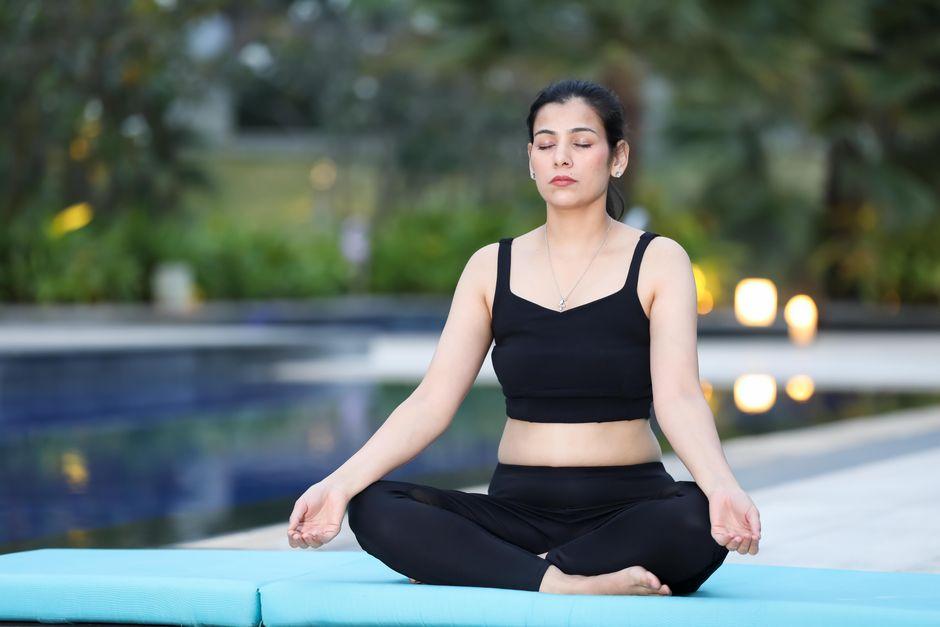
More than 40 Stockholm-area schools have integrated some form of structured mindfulness training into their timetables since the Swedish Schools Inspectorate began tracking the practice in 2023. The numbers are still modest against a city of roughly 600,000 schoolchildren, but the growth rate, up from fewer than a dozen pilot schools in 2021, signals a real shift in how educators here are thinking about mental health.
The timing matters. Post-pandemic anxiety and stress-related school absence remain stubbornly high across Sweden. The National Board of Health and Welfare reported in late 2025 that one in five Swedish adolescents aged 13 to 17 described their mental health as poor or very poor, a figure that has barely budged since 2022 despite increased funding for school counsellors. Classroom-based mindfulness is being pitched, in some quarters, as a low-cost complement to stretched pastoral services, though researchers and teachers themselves are quick to caution it is not a substitute for clinical support.
What Stockholm schools are actually offering
The most established program in the city is Mindfulness i Skolan, run out of a small office on Hornsgatan in Södermalm. The organisation trains teachers in an eight-week curriculum adapted from the UK's Mindfulness in Schools Project, known as the .b curriculum, pronounced "dot-be", and has placed certified instructors in schools including Kungsholmens gymnasium and several Grundskola units in Hägersten. A teacher certification course costs 4,800 kronor and takes place over two weekends, usually held at venues near Mariatorget.
Further north, the Järva district has seen a different model take root. Rinkeby-Kista stadsdelsförvaltning, the local district administration, partnered in September 2024 with the nonprofit Hjärnkraft to pilot a shorter, four-session mindfulness block in five primary schools, targeting years four through six. The sessions run 20 minutes and focus on breath awareness and simple body-scan exercises rather than the more cognitively demanding content in the secondary school programs. Hjärnkraft receives partial funding through Region Stockholm's public health grants, which allocated 2.3 million kronor to school mental-health initiatives in the 2025 budget cycle.
Private schools have moved faster. Raoul Wallenbergskolan in Älvsjö introduced daily five-minute guided breathing sessions at the start of the school day in autumn 2023 and expanded the practice to include a weekly 45-minute class in spring 2025. The school uses the Swedish-language app Lugn, which costs schools approximately 18 kronor per student per month on a group licence.
Does the evidence actually support it?
The research picture is genuinely mixed. A 2024 meta-analysis published in the journal School Mental Health examined 57 randomised controlled trials across Europe and found moderate evidence that mindfulness programs reduced self-reported anxiety in adolescents, but noted that effect sizes shrank considerably when researchers accounted for teacher enthusiasm and programme fidelity. Put simply: a motivated teacher delivering a coherent curriculum gets results. A reluctant teacher running through slides does not.
Sweden's own Karolinska Institutet has an ongoing study, due to report preliminary findings in early 2027, tracking 1,200 students across Stockholm County who received mindfulness training compared with a control group. Until those results land, educators are working with incomplete information.
For parents wondering whether their child's school has a program, the most direct route is the school's annual quality report, which Swedish law requires all schools to publish. Searching the school name alongside "hälsofrämjande insatser", health-promoting measures, on the Stockholm Stad website will surface most formal programs. Mindfulness i Skolan also maintains a public map of participating schools on its website, updated each semester.
Schools interested in starting a program can contact Mindfulness i Skolan directly for a subsidised introductory workshop; the organisation runs open information evenings at Kulturhuset Stadsteatern on Sergels Torg roughly four times a year, with the next session scheduled for September 2026. As always, parents and students with clinical concerns about anxiety or stress should speak first with the school's licensed counsellor or contact a local vårdcentral, primary care centre, for professional guidance.