Gold crossed $4,187 per troy ounce on Friday, a 4.1 percent single-session gain that has rattled assumptions across global savings markets. For Stockholm residents, the move is not academic. Swedish pension funds and private savers with commodity exposure saw their portfolios shift materially overnight, while anyone holding dollar-denominated assets absorbed the simultaneous blow of a euro that climbed to $1.1440 against the greenback, up 0.47 percent on the day. The S&P 500 finished at 7,483, a 1.71 percent advance, and the Nasdaq Composite closed at 25,833, up 1.87 percent. Those numbers look good on a screen. The harder question is what they mean for a Stockholm household trying to manage a rörlig mortgage, a savings buffer and a monthly grocery bill that has refused to fall as fast as headline inflation.
The gold spike is the most consequential single figure for local savers this week. At $4,187 an ounce, the metal is pricing in something beyond ordinary inflation hedging. Market sentiment increasingly reads the move as a signal that institutional money is losing confidence in fiat currency stability, particularly the US dollar. For Stockholmers with exposure to Boliden, the Swedish mining and smelting group listed on Nasdaq Stockholm, that uncertainty has a direct commercial dimension: Boliden's revenues track metals prices closely, and a sustained gold rally historically drags copper and zinc prices higher too, benefiting the company's diversified smelting operations. Shareholders in Boliden are not simply spectators to a commodity trade; they hold an operational hedge embedded in their equity portfolio.
Mortgages, Kronor and the Real Cost of Borrowing in 2026
The Riksbank has been threading a difficult needle throughout the first half of 2026. Variable-rate mortgage holders in Stockholm, where the median apartment price in Södermalm routinely demands loans exceeding three million kronor, are acutely sensitive to every basis-point shift in the policy rate. The euro's strength against the dollar at $1.1440 is a proxy indicator worth watching: a firmer euro tends to pull the Swedish krona modestly higher too, which dampens import-cost inflation and gives the Riksbank marginally more room to hold or cut rates rather than hike. That is broadly good news for the roughly 60 percent of Swedish mortgage borrowers who remain on floating-rate contracts. The bad news is that global bond yields have not cooperated. Fixed-rate mortgage pricing in Sweden tracks international government bond markets, and those markets have been volatile all year.
Practical budgeting advice for July 2026 starts with the mortgage decision. Anyone approaching a fixed-rate renewal in the next three months should take a close look at two-year versus five-year structures. The yield curve in Sweden has flattened considerably since January, meaning the premium for locking in five years is smaller than it was. That makes longer-duration fixes more attractive on a risk-adjusted basis than they have been for several years. Households carrying a rörlig rate who have not stress-tested their monthly payments against a 150-basis-point rate increase should do so immediately, regardless of how benign the current environment feels.
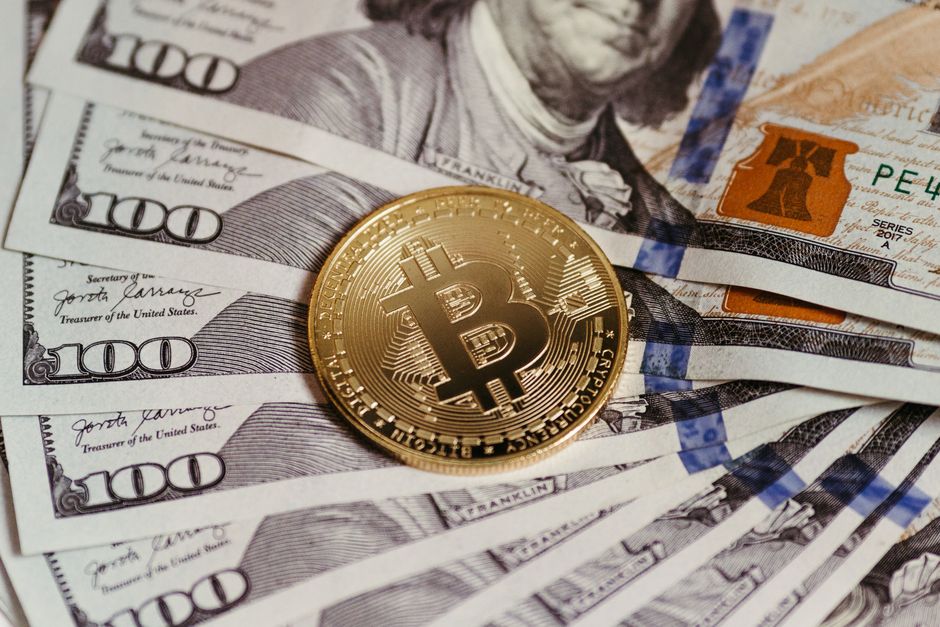
On savings, the gold story cuts two ways. Investors who loaded up on gold ETFs or commodity funds earlier this year are sitting on substantial gains. The discipline now is rebalancing, not chasing. Bitcoin's 6.66 percent gain to $62,456 on the same day gold surged suggests a broader flight into perceived scarcity assets. Stockholm savers who hold cryptocurrency inside an ISK account (investeringssparkonto) need to remember that the ISK taxation model charges a flat rate on total account value each year, meaning unrealised crypto gains still generate a tax liability in the January 2027 calculation period.
The talent and labour market dimension matters here too. The surge in global technology equity values, with the Nasdaq above 25,800, is sustaining demand for software engineers, AI specialists and quantitative analysts across Stockholm's growing tech corridor around Kista and the Stureplan financial district. Companies competing for that talent are offering equity compensation packages tied to Nasdaq-listed instruments. Employees accepting such packages in mid-2026 are doing so at valuations that reflect a significant bull run since early 2025. Anyone negotiating compensation this quarter should pressure-test the strike prices on any options against a scenario where Nasdaq gives back 15 to 20 percent over an 18-month horizon, a routine correction by historical standards, before signing.
WTI crude at $68.78, down 2.78 percent, is the one unambiguous piece of good news for Stockholm household budgets. Lower oil prices feed into petrol costs, heating fuel and, with a lag, transport and logistics prices across the retail supply chain. For a family in Bromma or Lidingö running a car alongside Stockholm public transport, the pump-price relief is modest but real. The broader deflationary signal from oil also supports the case that Swedish consumer price inflation, while still elevated, is not about to re-accelerate sharply. That matters for wage negotiations heading into the autumn collective bargaining rounds, where unions and employers will be calibrating claims and offers against a cost-of-living backdrop that is finally, slowly, beginning to ease.