Gold crossed $4,187 per troy ounce on Friday, a 4.1% single-session gain that marks one of the sharpest moves in the metal this year. For Stockholm residents with occupational pension portfolios through providers such as Alecta or AMF, the rally matters more than it might appear. Swedish pension funds have steadily increased allocations to real assets and commodity-linked instruments over the past three years, and a gold spike of this magnitude tends to reprice those positions overnight. If your fund's annual statement showed a meaningful weight in "alternative assets" or "råvaror," Friday was likely a good day for that sleeve of your savings.
The broader equity picture was also constructive. The S&P 500 closed at 7,483, up 1.71%, while the Nasdaq Composite finished at 25,833, a gain of 1.87%. Swedish savers with global equity funds tracking US benchmarks, products sold widely through Avanza and Nordnet, will see those gains reflected in Monday's unit prices after currency conversion. That conversion matters because the euro strengthened 0.47% against the dollar to 1.1440, and the krona has traded in loose sympathy with the euro for most of 2026. A firmer euro and krona against the dollar modestly trims the SEK-denominated return from US equities, even when Wall Street rallies hard. Investors in unhedged global index funds should be aware of that friction.
What Falling Oil Means for Swedish Households
Crude oil told a very different story. WTI fell 2.78% to $68.78 per barrel, continuing a retreat that has gathered momentum through the second quarter. For Swedish consumers, the transmission mechanism is fairly direct. Petrol pump prices in Stockholm typically lag international crude moves by two to four weeks, so households filling tanks at Preem or Circle K forecourts can reasonably expect some relief before the summer driving season peaks. Heating oil and diesel costs for logistics firms listed on Nasdaq Stockholm, names in the transport and distribution sectors, should also ease on the margin, which is worth watching when those companies report second-quarter earnings next month.
Lower energy input costs are a meaningful tailwind for Swedish manufacturing exporters, many of them mid-cap industrials on the Stockholm exchange. The Riksbank has been watching energy disinflation carefully as it weighs the pace of any further policy adjustments. Cheaper crude pushes Swedish CPI lower, which gives the central bank slightly more latitude. The bank's next scheduled rate decision falls in late August, and the energy data feeding into that meeting will now look friendlier than it did a fortnight ago.
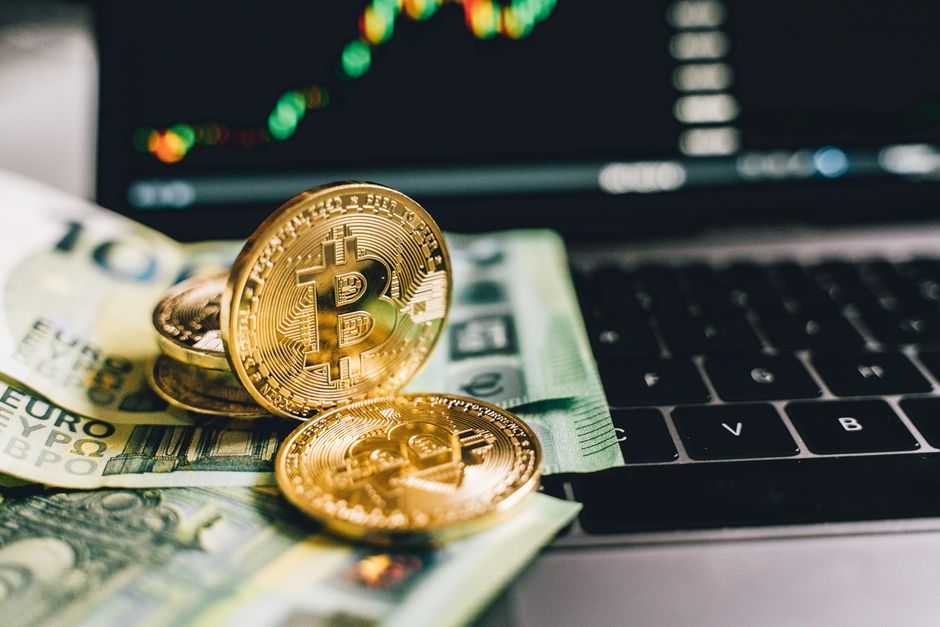
Bitcoin surged 6.66% to $62,456 on Friday. Swedish retail investors have been among Europe's most active crypto participants, and platforms serving the Swedish market reported elevated trading volumes through the first half of 2026. For households with even modest crypto positions, a move of this size in a single session is a reminder of the asset class's volatility. Crypto exchange-traded products listed on Euronext Amsterdam and accessible to Swedish investors through standard brokerage accounts will reprice accordingly when European markets open after the American Independence Day holiday.
The practical takeaway for Stockholm residents is threefold. First, check whether your PPM (Premium Pension) fund selection has meaningful US equity exposure; if it does, Friday's Wall Street gains are a genuine positive, but the dollar's relative softness against the euro cushions the upside in krona terms. Second, households carrying variable-rate mortgages with Swedbank or Handelsbanken should note that the disinflationary pressure from falling oil prices strengthens the case that the Riksbank's tightening cycle is well past its peak, which supports the expectation of rates staying on hold or drifting lower into 2027. Third, savers holding cash in Swedish savings accounts earning rates that were set during last year's higher-rate environment should revisit those terms; if rate expectations drift down, lock-in products with fixed terms could look more attractive than they did even a month ago.
Gold at $4,187 also deserves a longer-horizon comment for Swedish households. The metal has now risen sharply across multiple sessions this year, reflecting persistent demand from central banks including the Riksbank's counterparts across the European System of Central Banks, as well as sustained retail and institutional buying. The move is not purely speculative noise. It reflects genuine uncertainty about fiscal trajectories in major economies and a broad desire for assets outside the conventional bond and equity framework. Swedish savers who have never held gold directly, whether through a fund, a certificate or physical holdings, may find the asset worth revisiting as part of a diversified long-term allocation, not as a trade, but as a structural hedge.