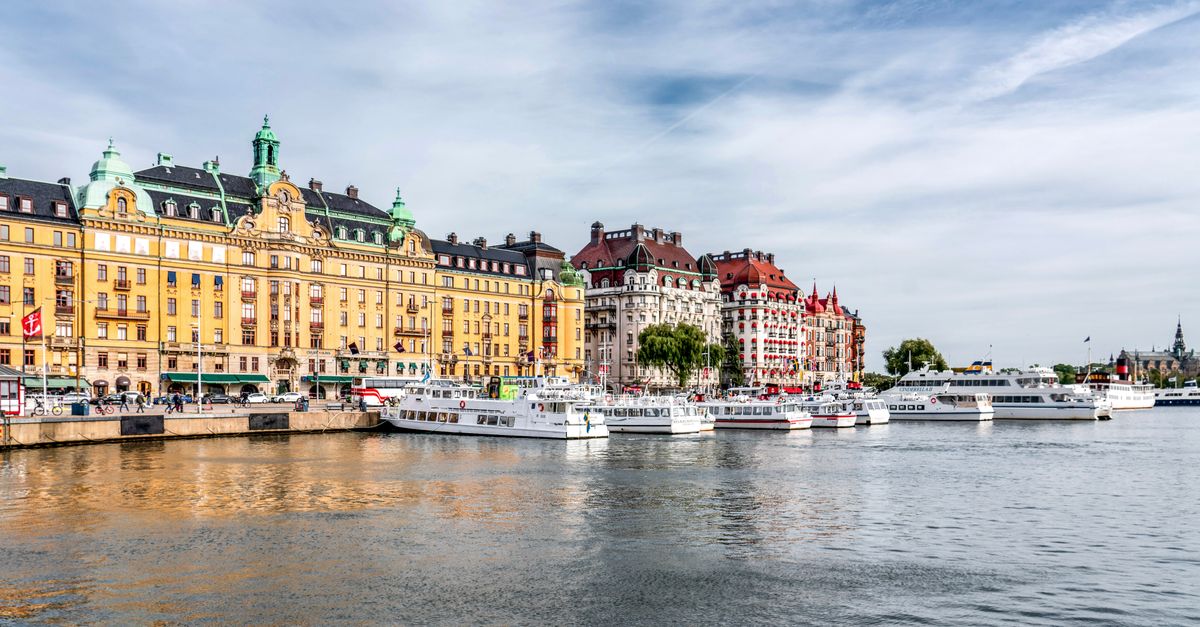
Stockholm in July runs on a rhythm most tourists never see. While Gamla Stan drowns in camera flashes, the city's working neighbourhoods are where residents queue for fresh cinnamon buns at family-run bakeries, haggle at weekend markets, and argue passionately about the best fika spot within walking distance. This summer, with extreme weather driving people across Europe indoors, Stockholm's local communities are more active than usual—and more willing to share their favourite corners.
The spike in heatwave deaths across Europe, which saw France record over 2,000 excess deaths at the height of its recent surge, has made Stockholm's temperate July climate feel like a reprieve. Locals are spending more time outside, in neighbourhood squares and along quieter waterfront stretches. This has reshaped how people interact with their immediate surroundings. The summer drift toward parks and outdoor cafes has intensified the social fabric of places like Södermalm, Norrmalm's quieter pockets, and the emerging food scene in Vasastan.
Where Neighbourhoods Build Their Identity
Södermalm remains Stockholm's cultural spine, but its character varies block to block. Walk south from Slussen and you hit the vintage shops and vintage-price restaurants along Folkungagatan, where a coffee runs 65 kronor and a simple lunch plate costs 185. But cross into the quieter grid around Tjärhovsgatan, and you find something different: Måntorget, the neighbourhood's small square, hosts a Wednesday farmers market that draws regulars who know each vendor by name. The vendors—many from Roslagsbanan farms north of the city—rotate their stock based on what's in season. In July, strawberries from Uppland farms dominate. A single basket of fresh berries costs around 80 kronor, significantly cheaper than the supermarket chains.
Vasastan, once dismissed as residential filler between Norrmalm and Östermalm, has developed its own ecosystem. Fridhemsplan, the neighbourhood's central square, hosts a permanent flea market on Saturday and Sunday mornings where locals sell everything from bookshelves to kitchenware. The surrounding streets—Västmannagatan, Löwenströmska gränd—now support independent grocers like Bioagran, a certified organic market that opened in 2019 and has become a gathering point for neighbours who value quality over convenience. A conversation with the owner reveals something important: the store doesn't sell online. Customers must visit in person, which forces actual human interaction in an era when most retail happens through screens.
The Numbers Behind the Neighbourhood Boom
Stockholm's Statistics Bureau reported that neighbourhood-focused spending increased 12 percent between 2024 and 2025, with particular growth in local food markets and independent retail. That's not just summer tourism dollars—those numbers reflect residents shifting their shopping habits toward places within walking distance. Rent in Södermalm now averages 2,100 kronor per square metre, forcing longer-term residents to economise by shopping smarter at neighbourhood markets rather than chain supermarkets.
Norrmalm's revival tells a different story. The district council initiated a streetscape renovation along Vasagatan in March 2025, which included widened pavements and new seating areas. The move was controversial—some worried it would attract more tourists—but instead, it drew more locals. The lunch crowds at small restaurants like those clustered near Vasa Park have grown steadily. A simple meatball lunch at a neighbourhood café runs 165-190 kronor, making it genuinely affordable for working people grabbing a midday break.
For anyone planning a Stockholm summer visit or rediscovering their own neighbourhood, skip the guidebook recommendations. Spend an afternoon in Södermalm's side streets, buy berries from someone's farm-stand at Måntorget, and grab lunch where the queue is longest at noon. That's where Stockholm actually lives.