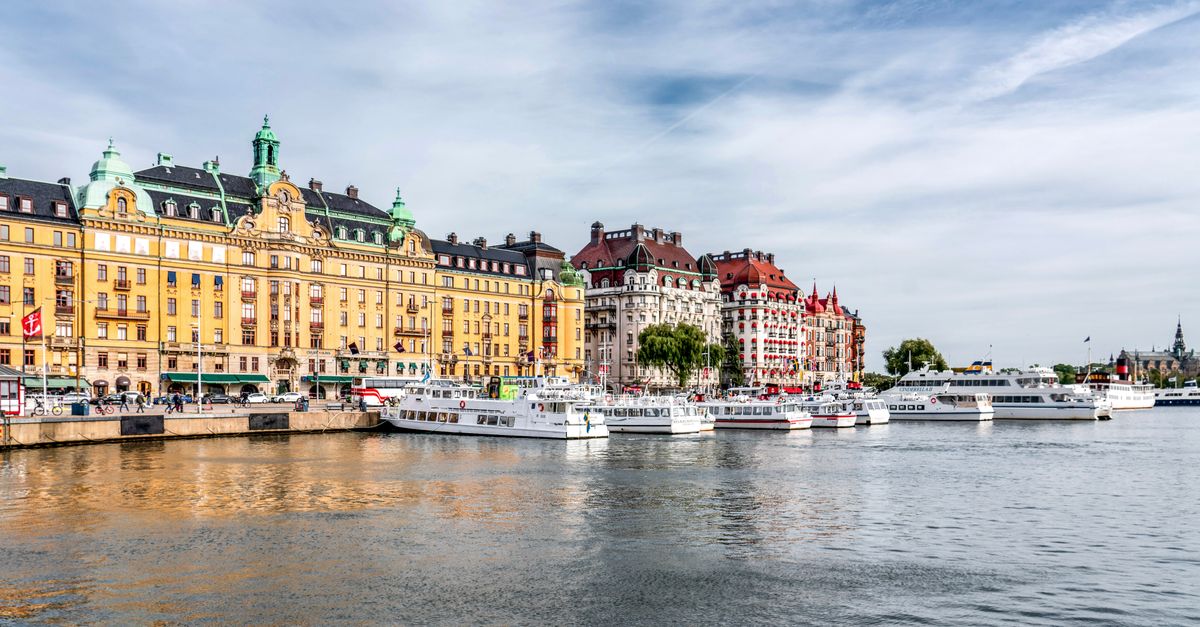
Stockholm residents have lucked out this July. While France recorded over 2,000 excess deaths during its recent heatwave and meteorologists warn of more extreme weather sweeping the continent, the Swedish capital sits comfortably in the mid-20s Celsius—warm enough for serious outdoor living, cool enough to actually enjoy it. That makes now the moment to shed the indoor routines and fully commit to summer in the city.
The timing matters. Europeans are reassessing their travel patterns and spending habits as geopolitical tensions simmer and climate anxiety rises. Many Stockholmers who might otherwise escape to southern Europe are choosing to stay put and rediscover what their own city offers during the brief, precious window when it feels genuinely Mediterranean. Local hospitality businesses report stronger bookings for July than in recent summers, with residents prioritizing staycation experiences.
Where to Eat and Drink Without Breaking the Bank
Start with Norrmalm's revitalized food scene. Kungsgatan, the long commercial boulevard running through the district, has seen a refresh of casual dining spots in recent months. Budget around 180-220 kronor for lunch at the cluster of new Nordic restaurants opening between Sergels Torg and the central library. The quality-to-price ratio has shifted noticeably in residents' favor compared to 2024, when many places were testing higher price points during the tourism boom.
For something less formal, Södermalm remains the neighborhood for affordable eating. The stretch around Nytorget hosts a permanent summer market with food stalls from local vendors—expect to spend 120-160 kronor for a proper meal. Blouse Café on Folkungagatan and the surrounding independent cafés offer solid coffee and pastries without the Stureplan markup. Locals who work from home should know that these venues typically don't enforce table-time limits on weekday mornings.
Drink-wise, the Gamla Stan waterfront bars have adjusted their summer 2026 pricing—beer runs 85-95 kronor at most outdoor venues, down from the 110-125 kronor peak during the tourist surge two years ago. The Riddarholm view remains free; pay for one drink and camp there for the afternoon.
Shopping and Markets in the Heat
July's outdoor markets deserve serious attention. Hötorget, the main fruit and vegetable market south of Norrmalm, operates daily with produce from Swedish farms hitting peak season. Tuesday and Thursday mornings draw the smallest crowds if you prefer efficient shopping. Nybrokajen's weekend antiques and craft market runs every Saturday and Sunday through August, with local artisans selling directly—textiles, ceramics, and jewelry at 250-1,200 kronor per piece.
For clothes shopping, avoid the obvious chains along Drottninggatan during peak afternoon hours. Instead, check the independent boutiques on Stureplan or the quieter stretches of Östermalm's Storgatan. These streets empty out after 5 p.m. as office workers head home, giving you calmer browsing time. A-huset on Stureplan operates until 8 p.m. most days, making it practical for after-work shopping when central Stockholm finally cools down.
Department store Nordiska Kompaniet offers a July sale starting July 15, with discounts reaching 40 percent on selected summer items. The store's location at Hamngatan 18-20 means you can combine shopping with a waterfront walk toward Skeppsbron without backtracking.
Plan your explorations for early mornings or evenings when the sun hangs low and the pavement hasn't radiated heat for hours. Many residents are shifting their schedules to match this reality—bakeries fill up before 9 a.m., outdoor restaurants peak around 7-8 p.m. rather than at traditional dinner hours. Book restaurant tables in advance if you want seating by water. July's just beginning, and Stockholm's short window for genuine outdoor living won't stay open indefinitely.