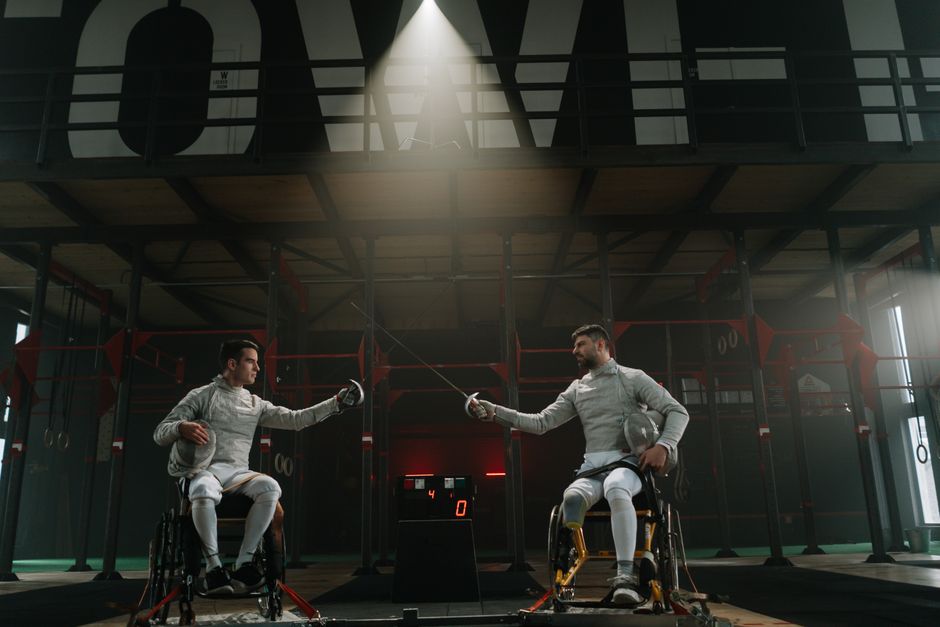
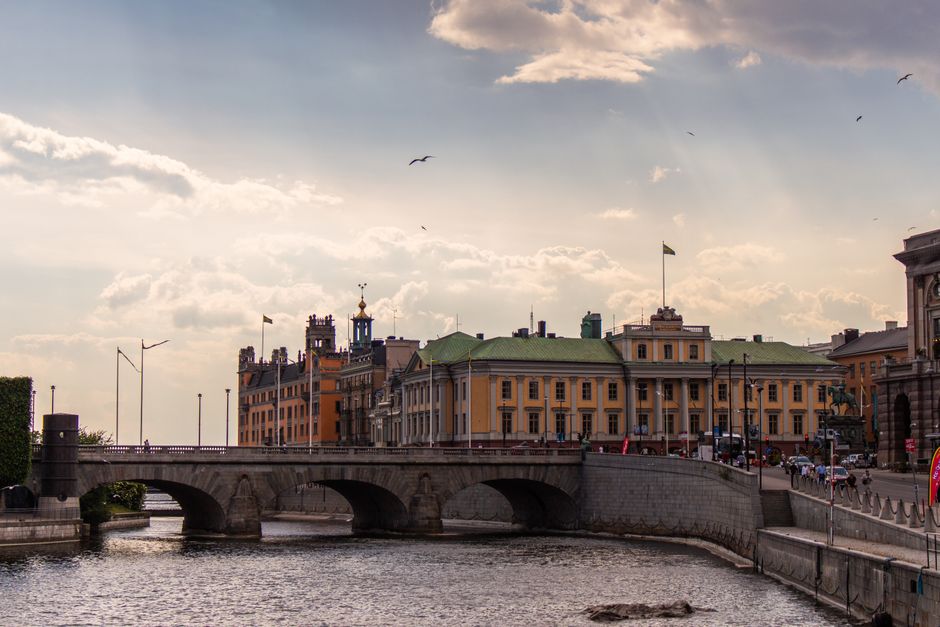
Membership numbers across Stockholm's grassroots sports clubs have climbed to their highest level in a decade. Figures published last month by the Stockholm Sports Federation — Stockholms Idrottsförbund — show that affiliated clubs now count more than 320,000 active members across the city, a rise of roughly 11 percent since 2023. Behind that number is a sprawl of volunteer-run associations operating out of community halls, flood-lit cage pitches and rented gymnasiums, many of them charging less than 500 kronor a term.
The timing matters. Sweden's Public Health Agency released data in April showing that sedentary behaviour among children in Stockholm County has increased sharply since 2020, with nearly one in three ten-to-fourteen-year-olds failing to meet weekly physical activity guidelines. Community clubs are picking up slack that neither the school system nor expensive private academies can fully cover. The Swedish government's budget allocation to the national sports grant — Stöd till idrotten — sat at 2.1 billion kronor for 2026, a figure that sounds significant but, divided among thousands of associations, still leaves most clubs scraping for resources.
Pitch by Pitch Across the City's Neighbourhoods
In Rågsved, in Stockholm's southern suburbs, FK Rågsved has spent the past three summers turning a cracked asphalt yard beside Rågsvedsskolan into a functioning training base for around 200 young players. The club bought second-hand goals from a dissolved club in Huddinge and repainted them themselves. Practice fees were held at 400 kronor per season in 2025 and the board voted in May to keep that figure flat through 2026 despite rising electricity costs at the indoor facilities they hire on Tuesdays and Thursdays at Rågsved's community centre.
Farther north, in Spånga, the multi-sport association IK Frej runs programmes spanning football, floorball and athletics for roughly 1,400 members. The club's youth athletics section grew by 23 percent in the past year alone, partly because Järva IP — a large green complex shared by several clubs — received a 3.8 million kronor renovation grant from the City of Stockholm in late 2025, resurfacing two tracks that had been effectively unusable since 2021. IK Frej's coaching coordinator told The Daily Stockholm that the refurbished facility changed recruitment overnight; families who had been driving across town to Östermalm's better-equipped venues suddenly had a reason to stay local.
On Södermalm itself, the neighbourhood that has most visibly gentrified over the past fifteen years, the picture is more complicated. Several small clubs have lost access to subsidised hall time as property redevelopment displaces community facilities. Hammarby IF's community foundation — separate from the professional football and hockey operations — now runs Saturday morning sessions at Zinkensdamm's sports ground on Ringvägen, deliberately targeting families who cannot afford the junior academies proliferating around Nacka and Lidingö, where annual fees can exceed 8,000 kronor.
What the Data and the Calendar Both Show
Stockholm's Sports Federation calculates that volunteer hours contributed to grassroots clubs in 2025 amounted to the equivalent of approximately 4,200 full-time employees. No municipality in Sweden could hire those people. The calculation helps explain why city officials have largely chosen to subsidise facilities and transport rather than staff: the Fritidsresekortet programme, which provides discounted public transport for juniors travelling to training, was extended through December 2027 in the spring budget.
The next pressure point arrives in September, when autumn term begins and clubs compete for scarce indoor time. Stockholms Idrottsförbund is holding its annual facility allocation meeting on 22 September at Idrottens Hus on Skansbrogatan, where representatives from across the city's 800-plus affiliated associations will negotiate gym slots for the winter season. Clubs that want to secure time — particularly in the congested inner-city boroughs — are advised to submit their bids through the Idrottslyftet digital portal no later than 15 August. The window opens Monday. For the volunteers holding these clubs together one Tuesday training session at a time, it is not an administrative detail. It is the whole season.