More Stockholmers are meditating than at any point in recorded Swedish public health data. A 2025 survey by Folkhälsomyndigheten, the Public Health Agency of Sweden, found that 34 percent of adults in Stockholm County had tried some form of mindfulness or meditation in the previous 12 months — up from 21 percent in 2019. The numbers keep climbing, instructors say their waiting lists are weeks long, and apps such as Calm and the Swedish-developed Mindler are logging record downloads. Yet most beginners quit within the first month, usually because nobody told them the basics.
The timing matters. Across Europe, researchers and policymakers are increasingly interested in low-cost mental health interventions that can scale. A landmark program in Glasgow cut violent crime by reorienting public health resources toward emotional regulation tools — meditation among them. Stockholm's own Region Stockholm health authority has since 2024 funded mindfulness-based stress reduction, known as MBSR, as a supplementary tool within primary care. That integration has pushed meditation from a wellness luxury into something closer to a public health recommendation.
That said, structure helps enormously in the early weeks. Stockholm has two organisations particularly well regarded for beginners. Mindfulness Center Stockholm, based on Odengatan in Vasastan, runs an eight-week MBSR course modelled on the protocol developed by Jon Kabat-Zinn at the University of Massachusetts in 1979. The current course fee is 3,200 kronor for the full program, which includes guided sessions, printed materials, and a day-long retreat at a venue outside the city. Spaces for the September 2026 intake opened on 1 July and were half-filled within 48 hours.
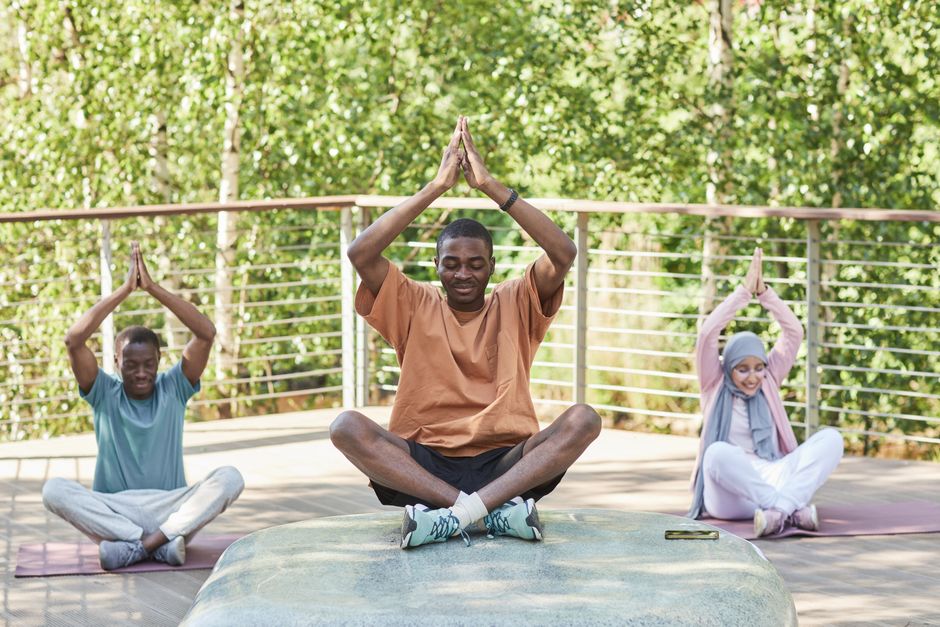
Further south, in Södermalm, the non-profit organisation Dharma i Sverige hosts drop-in meditation evenings every Tuesday at their hall on Götgatan, with a suggested donation of 50 kronor. The sessions draw a deliberately mixed crowd — software engineers, retirees, students from Stockholm University — which instructors there say reduces the intimidation factor for newcomers who fear walking into a room of advanced practitioners.
For those who want to begin entirely at home before committing to either, the Swedish 1177 Vårdguiden health portal added a free guided mindfulness audio series in January 2026, available in Swedish and English. It is four weeks long, sessions run between seven and twelve minutes, and the completion rate reported at the three-month mark was 61 percent — unusually high for a digital health intervention.
The Mechanics: What Beginners Actually Need to Know
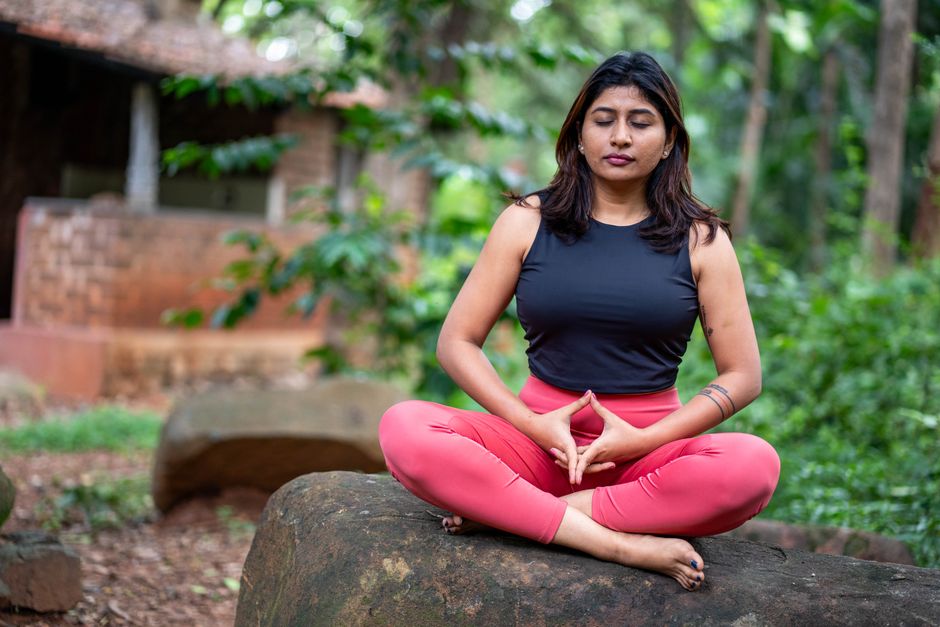
Pick one time of day and protect it. Morning works best for most beginners because decision fatigue hasn't accumulated yet. Sit comfortably — on the floor, on a chair, on the edge of a bed — with your spine reasonably upright. Set a timer so you're not clock-watching. Start with six minutes.
The practice itself is simpler than any app will admit. Direct your attention to the physical sensation of breathing — the air entering through the nostrils, the slight rise of the chest or belly, the exhale. Your mind will wander. That is not failure; that is the entire point. The moment you notice the mind has wandered and bring it back, you have meditated. That return is the repetition that builds the cognitive muscle.
Week one: six minutes daily. Week two: ten. By week four, most practitioners who reach that point report noticeable changes in their baseline stress response. A 2024 meta-analysis published in JAMA Internal Medicine, covering 47 randomised trials and more than 3,500 participants, found that consistent mindfulness practice of at least ten minutes daily for eight weeks produced moderate but statistically significant reductions in anxiety and depressive symptoms.
The Mindfulness Center Stockholm runs a free information evening on 22 July at their Vasastan location for anyone considering the September MBSR intake. Dharma i Sverige's next Tuesday drop-in is 8 July, starting at 18:30. Both welcome complete beginners. Wear what you would wear to a quiet dinner. Bring nothing except a willingness to sit still and feel slightly awkward for a few minutes. That awkwardness, every instructor will tell you, is exactly where the work begins.
For personalised guidance on meditation as part of mental health support, consult your local vårdcentral or a licensed Swedish healthcare provider.