wellness
Stockholm Wellness Experts Share Science-Backed Breathing Techniques for Instant Calm
Stockholm's wellness practitioners are pushing simple breathing exercises as a practical antidote to mid-day stress, and the science backs them up.
How we reported this
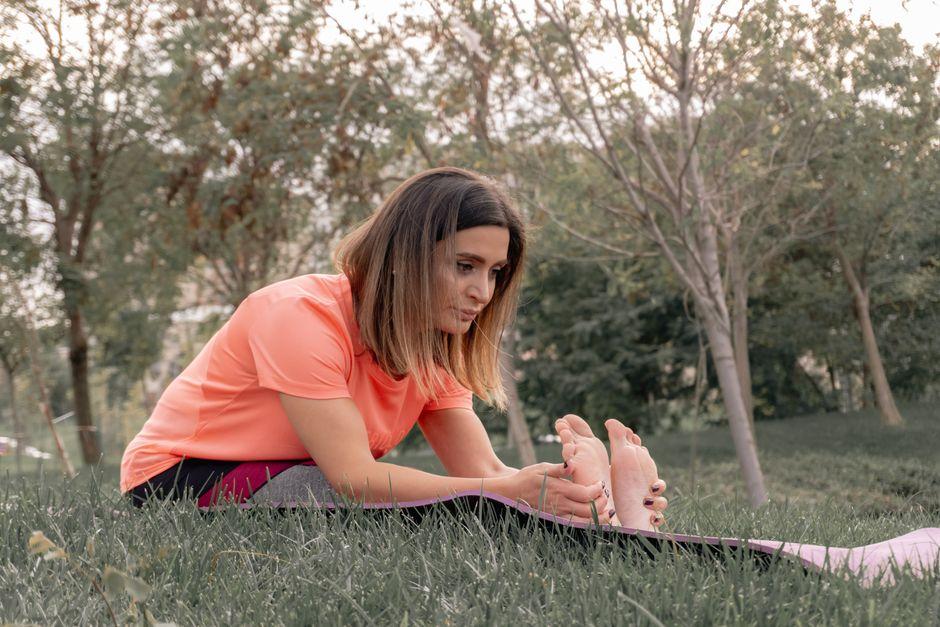
Three breaths. That is, according to instructors at several Stockholm studios, roughly all the time most people need to begin reversing the physiological effects of acute stress. The technique is not new, but interest in structured breathwork has surged sharply in the Swedish capital this year, with class bookings at centres including Yogayama in Östermalm and Mindfulness Center Stockholm up by roughly 30 percent compared to the same period in 2025, according to figures shared by the studios themselves.
The timing makes sense. Swedes are working longer effective hours than at any point since Statistics Sweden began tracking the metric in 2019, and a Folkhälsomyndigheten report published in March 2026 found that 41 percent of adults aged 25 to 54 in Stockholm County reported at least moderate levels of work-related stress on a weekly basis. Hormonal research and growing public curiosity about biological self-regulation, driven partly by mainstream coverage of everything from melatonin to cortisol management, have pushed breathwork from the fringe into corporate lunch breaks and commuter routines on the Tunnelbana.
What the techniques actually involve
The most accessible method instructors recommend for a desk-bound Tuesday afternoon is box breathing, also called four-square breathing. Inhale for four counts, hold for four, exhale for four, hold again for four. Repeat four times. The entire cycle takes under two minutes. It is the same protocol used by the Swedish Armed Forces' stress-management training programme, Stresshantering för personal, which has incorporated controlled breathing since 2021.
A step up in intensity is the physiological sigh, a technique popularised by Stanford neuroscientist Andrew Huberman and now taught in workshops at Östermalms Hälsostudio on Karlavägen. The method involves a double inhale through the nose, a short sharp breath followed immediately by a second, smaller one, then a long, slow exhale through the mouth. One or two cycles are often enough to produce a measurable drop in heart rate. The exhale activates the parasympathetic nervous system, essentially applying a brake to the fight-or-flight response that floods the body with cortisol during a stressful meeting or a difficult phone call.
Then there is resonance breathing, sometimes called coherent breathing, which targets heart rate variability. The standard prescription is five to six breaths per minute, roughly a five-second inhale and a five-second exhale, sustained for ten minutes. A 2023 meta-analysis published in Applied Psychophysiology and Biofeedback found that regular practice of resonance breathing reduced self-reported anxiety scores by an average of 27 percent across 14 studies. The Mindfulness Center Stockholm on Sveavägen runs a six-week resonance breathing course, priced at 2,800 kronor, that begins its next cohort on 21 August 2026.
Making it fit a Stockholm day
Practicality matters. Stockholmers who commute through T-Centralen during rush hour are not going to find floor space for a yoga mat, but box breathing works in a window seat on the green line. Several practitioners suggest anchoring a two-minute breathwork session to an existing habit, the moment the morning coffee finishes brewing, or the 60-second pause before joining a video call from home in Södermalm.
Apps have made the practice more accessible. Swedish-language guided sessions are available through the local app Lifesum, which added a dedicated breathwork module in January 2026, and through the Stockholm-based wellness platform Wellr, which counts over 180,000 registered users across the country. Neither replaces the feedback a trained instructor provides, but both lower the barrier considerably.
The broader picture is that breathwork's appeal lies precisely in its zero-equipment, zero-cost entry point during a period when household budgets are tighter and gym memberships feel like a luxury. A technique you can run quietly at your desk, or standing on the platform at Slussen, requires nothing except thirty seconds of intention. For anyone experiencing persistent anxiety or chronic stress symptoms, consulting a läkare or a licensed psykolog remains the right first step, but for the 3pm wall that hits in an open-plan office in Kungsholmen, the exhale is a reasonable place to start.