Wellness
Mindfulness in schools: what local programs are available
Stockholm's classrooms are getting quieter — in the best possible way — as structured meditation programs take root across the city's schools.
4 min read
Updated 5 h ago
Wellness
Stockholm's classrooms are getting quieter — in the best possible way — as structured meditation programs take root across the city's schools.
4 min read
Updated 5 h ago
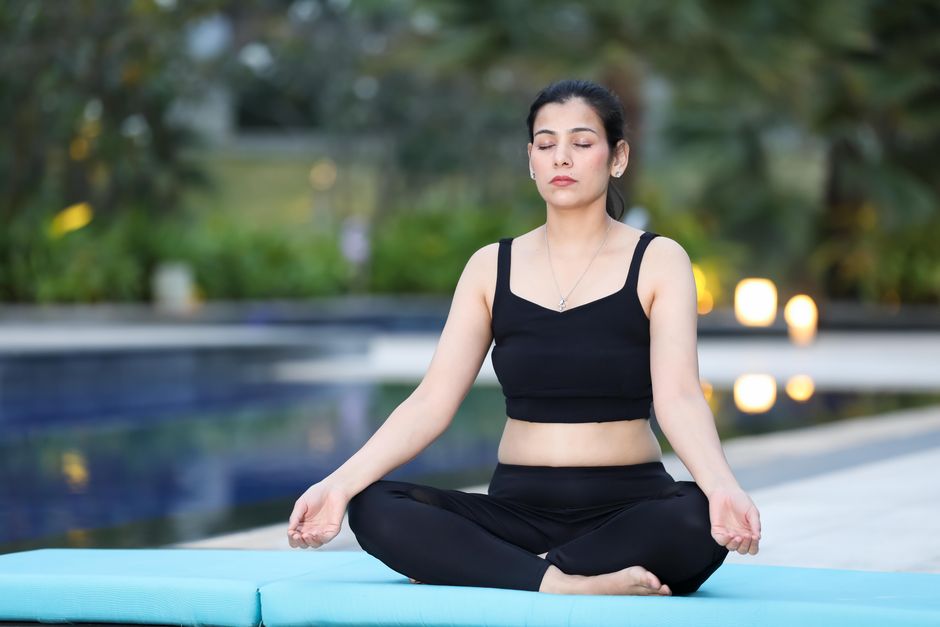
More than 40 Stockholm-area schools now incorporate some form of structured mindfulness training into their weekly timetables, according to data compiled by Stockholms stad's education department this spring. The figure has nearly doubled since 2022, driven by a combination of post-pandemic mental health concerns, new municipal funding, and a growing body of research that teachers and school nurses say they can no longer ignore.
The timing matters. Swedish teenagers reported record levels of stress-related symptoms in the 2025 Folkhälsomyndigheten annual report, with 38 percent of girls aged 13–15 saying they felt persistently anxious during the school week. School counsellors across Södermalm and Östermalm have been pushing administrators for preventive tools rather than waiting until students hit crisis point. Mindfulness, once viewed as something you did on a yoga mat in Vasastan on Saturday mornings, has moved firmly into the corridor between the library and the biology lab.
The most established program is Mindfulness i Skolan, a Swedish nonprofit that has been placing trained instructors in schools since 2014. The organisation currently works with 28 schools in Stockholm County, including several in Hägersten-Liljeholmen and Farsta. Their core offering — a nine-week course built around 15-minute daily sessions — is delivered free to schools that apply for municipal co-funding under the Skolverket's mental health support framework. Schools in lower-income districts qualify for full subsidies; others pay roughly 4,500 kronor per class group for the full term.
Separately, Stiftelsen Mind, the Stockholm-based mental health foundation headquartered on Luntmakargatan in Vasastan, launched a pilot in autumn 2025 that pairs its existing school-crisis counselling service with a four-week mindfulness module. The pilot covered 11 schools in Rinkeby-Kista and Spånga-Tensta — districts the city has specifically targeted with additional welfare resources. Early internal findings, shared at a Stiftelsen Mind briefing in May, showed a 22 percent reduction in self-reported anxiety scores among participating Year 7 students over the four weeks. The foundation plans to expand to 30 schools by January 2027.
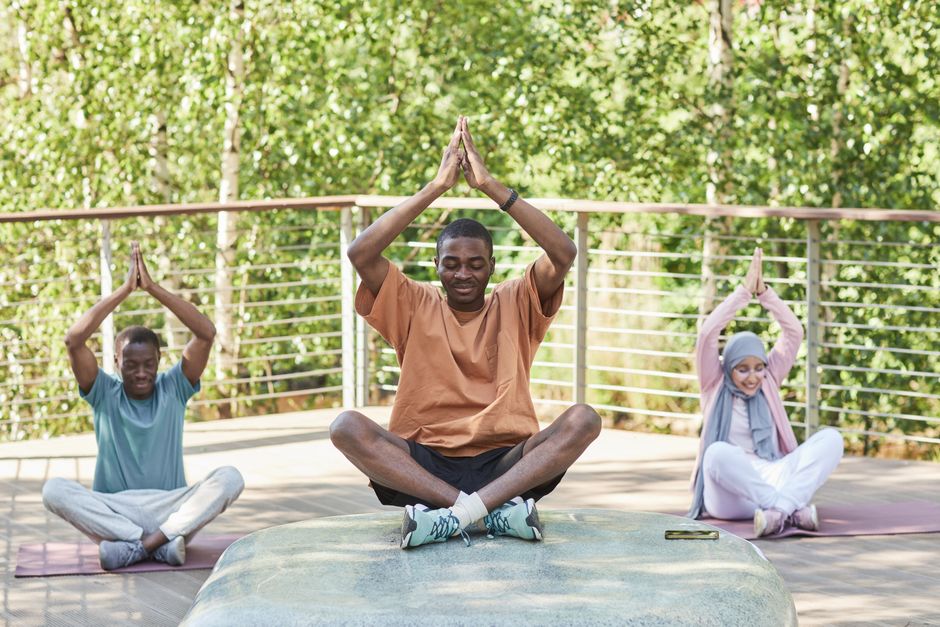
There is also a quieter, teacher-led movement. A cluster of schools around Lidingö and Nacka has adopted Yoga i Skolan teacher certification, a 40-hour online and in-person training course offered through the Scandinavian Yoga and Meditation School, which has a centre on Södermannagatan in Södermalm. Teachers who complete the course — cost: 6,800 kronor — earn a certification recognised by the Swedish Teachers' Union and can lead both yoga-based movement and seated mindfulness exercises without an external instructor in the room. About 120 Stockholm-region teachers have completed the certification since 2023.
A 2024 meta-analysis published in the journal School Mental Health reviewed 61 randomised controlled trials across Europe and Scandinavia and found that school-based mindfulness programs reduced symptoms of depression and anxiety by a statistically significant margin in students aged 10–16, with the strongest effects in programs that ran for at least eight weeks and included teacher involvement rather than outsourced delivery alone. The effect sizes were modest — a reduction of roughly 0.3 on standardised anxiety scales — but researchers noted that even small improvements compounded across an entire school population represent meaningful public health gains.
Critics, including some researchers at Karolinska Institutet, have pointed out that implementation quality varies enormously. A school that ticks a mindfulness box by running two 10-minute sessions per term is not delivering the same thing as a program with trained facilitators and proper curriculum integration. Parents asking about these programs should request specifics: how many sessions per week, who leads them, and whether the school measures outcomes.
For families who want to supplement what schools offer, Mindfulness i Skolan runs weekend workshops for parents at Kulturhuset Stadsteatern on Sergels Torg, typically priced at 250 kronor per session. The next scheduled date is 19 July. Stiftelsen Mind's website also maintains a directory of child and adolescent mindfulness resources sorted by Stockholm district. As always, for any child showing persistent signs of anxiety or depression, the first call should be to a GP or school health nurse — not a meditation app.
Wellness
Wellness

Wellness

Wellness
About this article
Published by The Daily Stockholm
Spread the word
Daily brief
Free, in your inbox before 7am. Weekdays.
The Daily Network — local news across Australia