Wellness
Yoga styles explained: which one suits your lifestyle
From sweaty Bikram studios in Södermalm to slow restorative sessions in Östermalm, Stockholm's yoga scene has never been more varied — or more confusing.
4 min read
Wellness
From sweaty Bikram studios in Södermalm to slow restorative sessions in Östermalm, Stockholm's yoga scene has never been more varied — or more confusing.
4 min read
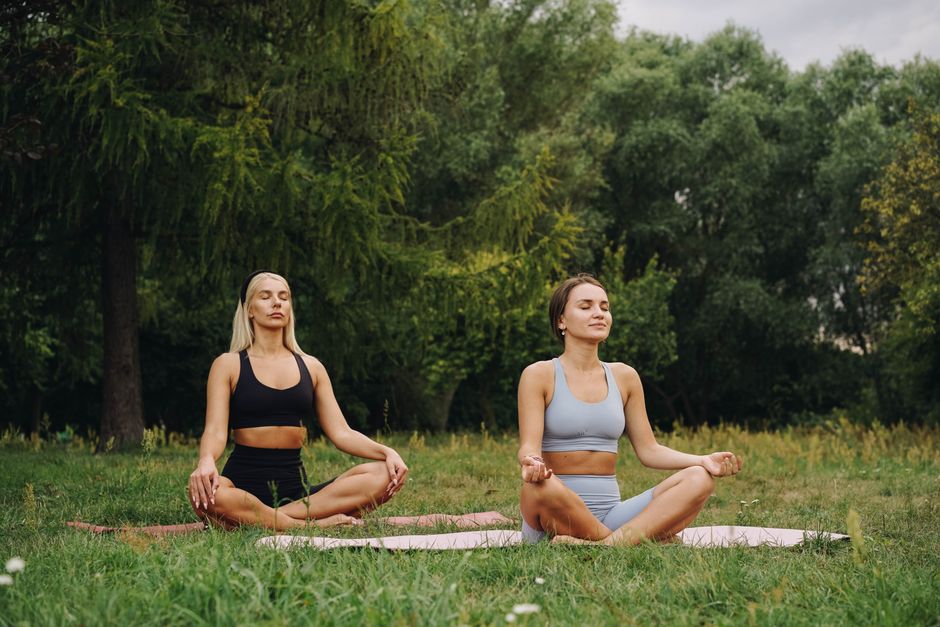
Stockholm's yoga studios logged record class bookings in the first half of 2026, with Friskis&Svettis reporting a 34 percent jump in yoga enrolments compared to the same period last year. The organisation, which runs facilities across the city from Rågsved to Kungsholmen, says demand is being driven largely by first-timers — people who have never unrolled a mat in their lives but are now searching for something that works for both their bodies and their schedules.
The timing is not accidental. Urban stress has become a measurable health issue in Sweden's capital. A 2025 report from the Karolinska Institutet found that 41 percent of Stockholm residents aged 25 to 45 reported clinically significant stress symptoms, up from 33 percent in 2022. Yoga sits at the intersection of physical movement and mindfulness practice, which is precisely why doctors, physiotherapists and wellness coaches in the city are increasingly directing patients toward it. The harder question — the one studio reception desks field every week — is which style to choose.
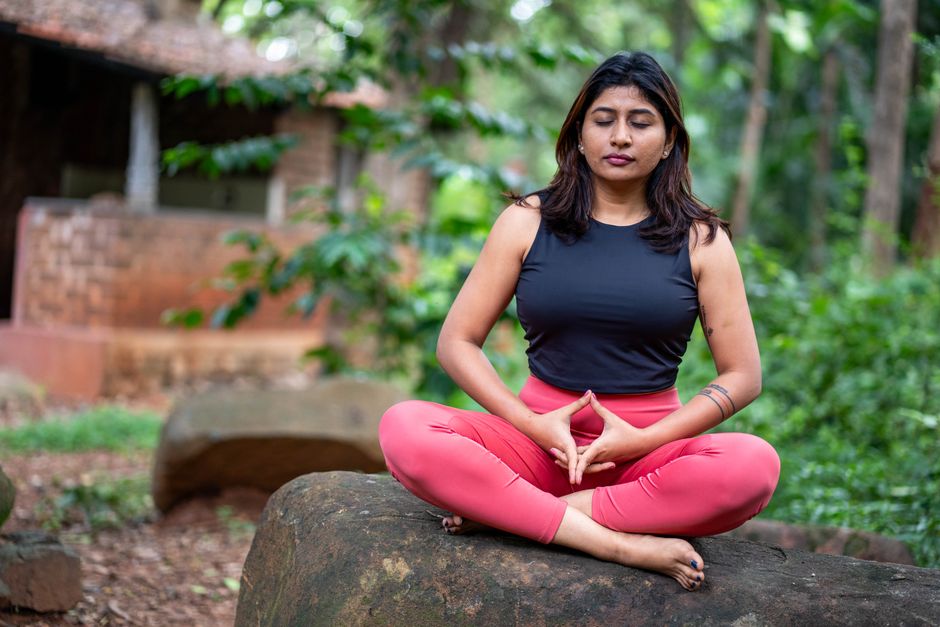
Hatha yoga is the entry point most Stockholm teachers recommend. Classes move slowly, holding postures for several breaths before transitioning. Yogayama on Döbelnsgatan in Vasastan runs dedicated Hatha beginner courses every September and January, priced at 1 650 kronor for an eight-week block. The pace gives newcomers time to understand alignment without feeling lost. If your main goal is reducing anxiety and improving sleep quality, Hatha is a defensible first choice.
Vinyasa is the opposite in tempo. Postures flow continuously, linked by breath, and a single 60-minute class can feel closer to an aerobic workout than a meditation session. It suits people who already exercise regularly and want yoga to complement, say, running along Djurgårdsbrunnsviken or cycling the Lidingöbron route. Several studios in Södermalm, including Yogabruket on Bondegatan, offer Vinyasa sessions six days a week, with drop-in prices around 195 kronor per class.
Yin yoga sits at the slow, meditative end of the spectrum. Postures are held for three to five minutes each, targeting connective tissue rather than muscle. The practice originated in Taoist tradition and pairs naturally with breathwork and mindfulness. It has become the studio style most explicitly marketed alongside mental health messaging in Stockholm — Östermalms Yogacenter runs a monthly Yin and Breathwork evening on the first Friday of each month, 220 kronor including tea service afterward.
Bikram, or hot yoga, is the commitment-intensive option. The room is heated to 40 degrees Celsius and the sequence of 26 postures never changes. Studios like Hot Yoga Stockholm near Odenplan have built loyal followings among people who respond well to rigidity and ritual — the fixed sequence removes decision fatigue, which some practitioners describe as the hidden therapeutic benefit. Monthly unlimited memberships run to approximately 850 kronor.
The most common mistake new practitioners make is choosing a style based on aspirational identity rather than realistic schedule. Someone working long hours in Kista who can only commit to one evening session per week will find Bikram's strictness either liberating or punishing, depending entirely on temperament. A parent in Lidingö with fragmented free time may find a 30-minute home Hatha practice — supported by apps like Yoga Studio or Swedish-language resources from the Mindfulness Center in Stockholm — more sustainable than any studio membership.
Instructors at Friskis&Svettis Vasastan suggest trialling three different styles before committing to a membership. Most studios in Stockholm now offer introductory packages for new students: Yogabruket's new-student deal, for example, gives 30 days of unlimited classes for 395 kronor. That window is enough time to feel the difference between a fast Vinyasa flow and a quiet Yin session and understand which one you will actually look forward to rather than dread.
One practical note: the city's studio calendar shifts significantly in August when many instructors take their own sommar leave. Anyone starting a practice now should confirm September schedules before purchasing a long-term membership. And as with any physical or mental health intervention, a conversation with a läkare or fysioterapeut is worth having before beginning, particularly for anyone managing injury or a diagnosed anxiety condition.
About this article
Published by The Daily Stockholm
Spread the word
Daily brief
Free, in your inbox before 7am. Weekdays.
The Daily Network — local news across Australia