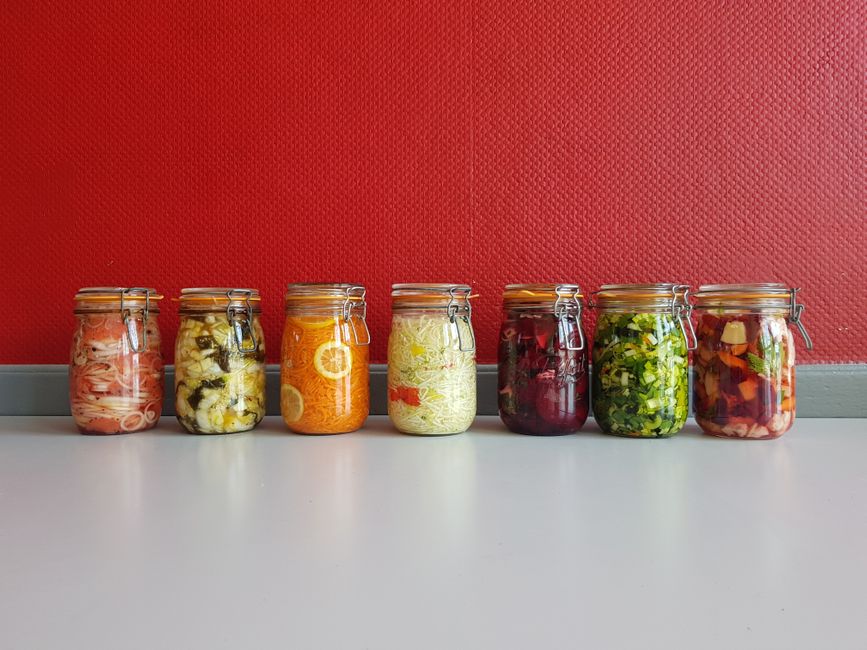
Swedes have been fermenting food for centuries. What has changed in 2026 is who is paying attention. Sales of fermented and probiotic food products across Scandinavia rose 18 percent between 2023 and 2025, according to the market research firm NielsenIQ's Nordic division, and Stockholm's independent grocers and health studios say they are seeing the shift on the shop floor, not just in the data.
The timing matters. After two years of elevated antibiotic prescriptions across Swedish healthcare — a trend the Folkhälsomyndigheten flagged in its 2025 annual report — gut microbiome restoration has moved from fringe wellness circles into mainstream dietary conversations. Gastroenterologists at Karolinska Universitetssjukhuset have noted increased patient interest in dietary interventions alongside clinical treatment, even if the science on specific probiotic strains remains a work in progress. Anyone with personal gut health concerns should speak to a läkare or dietist before overhauling their diet.
What Stockholm's shelves actually carry
Start at Hötorgshallen, the covered market in central Stockholm that has operated since 1888. Several traders there stock filmjölk and long-fil — two Swedish cultured dairy products that have been part of the national diet since long before the word probiotic existed. Long-fil, which is made by stretching the culture at lower temperatures, contains Lactobacillus lactis strains and has a viscous, almost ropy texture that surprises first-timers. A litre typically runs between 32 and 38 kronor depending on the producer.
Farther south, in Södermalm, the organic grocer Paradiset on Götgatan stocks a rotating selection of raw sauerkraut and kimchi from small Nordic producers, including the Swedish label Fermenterade Vänner, whose jars come in at roughly 79 kronor for 400 grams. Raw sauerkraut — unpasteurised and therefore alive with Lactobacillus plantarum — is nutritionally distinct from the shelf-stable pasteurised version found in most supermarkets. The label matters: if it says pastöriserad, the beneficial bacteria are gone.
Kombucha has embedded itself firmly in the mainstream. Systembolaget does not carry it — it is non-alcoholic — but Coop and ICA Maxi locations across Vasastan and Lidingö now dedicate full shelf sections to locally brewed versions. Stockholm-based producer Brobygårds Kombucha, which started as a farmhouse operation in Uppland, distributes to over 60 Stockholm retailers as of spring 2026. Their ginger-lemon variety contains a live SCOBY culture and is priced at around 42 kronor per 330 ml bottle.
Beyond the jar: where to learn as well as shop
Several community spaces have built programming around fermentation literacy. Holistic retreat and kitchen studio Saltå Kvarn, operating a workshop space in collaboration with venues in Mariaberget, runs seasonal fermentation workshops — four hours, 650 kronor per person — covering everything from water kefir to miso. Places sell out weeks ahead in autumn and spring, according to their booking page.
Miso is worth its own paragraph. The Japanese staple is now being produced domestically. Nordic Miso, a small-batch producer based in Uppsala with retail presence in Östermalmshallen, ages its barley miso for a minimum of six months in Swedish conditions. It is rich in Aspergillus oryzae-derived enzymes, and a 300-gram tub costs 145 kronor. It dissolves into soups, dressings and marinades without fuss.
Kefir grains are also circulating in a loose network of home fermenters through the Facebook group Mjölkkefir Sverige, which has over 4,200 members. Grains are typically exchanged for free or for the cost of postage. It is informal, but it works, and the grains are active.
The practical advice is straightforward. Start with one fermented food daily rather than six at once — a sudden surge of new bacterial strains can cause temporary bloating. Choose unpasteurised products where possible, read labels carefully, and store everything as directed. Stockholm's food culture, rooted in preservation traditions that predate refrigeration, turns out to have been ahead of the trend all along.