The S&P 500 climbed to 7,483 on Friday, a gain of 1.71 percent, as American markets reopened with enough momentum to drag equities higher across time zones. The Nasdaq Composite did even better, rising 1.87 percent to 25,833, with technology names leading the advance. For Stockholm investors holding positions in global equity funds, pension allocations or individual US-listed names, the headline numbers look encouraging. The detail underneath them is worth reading more carefully.
Gold settled at $4,187 per troy ounce, up 4.10 percent on the session. That is not the behaviour of a market that has simply decided to buy risk and move on. When equities and gold rise sharply in tandem, the pattern typically reflects one of two things: a broad weakening of the dollar, which lifts the price of dollar-denominated assets simultaneously, or genuine anxiety about the medium-term outlook driving investors to cover multiple bases at once. On Friday, both appear to have been operating at the same time. The euro advanced 0.47 percent against the dollar to 1.1440, a level that matters directly to Swedish exporters and to any Stockholm investor with unhedged dollar exposure, since a stronger euro tends to drag the krona in the same direction, compressing the local-currency value of US holdings.
Oil's Drop and Bitcoin's Surge Complete a Fractured Picture
West Texas Intermediate crude fell 2.78 percent to $68.78 per barrel, a meaningful drop that points to softer demand expectations even as equity markets celebrated. Energy stocks on both sides of the Atlantic felt the pressure. For Swedish industrial names with significant fuel cost exposure, cheaper crude is a partial tailwind, but the signal it sends about global growth is less welcome. OPEC-plus production decisions made in Vienna earlier this year continue to reverberate through the market, and there is no consensus among traders about where the floor sits.
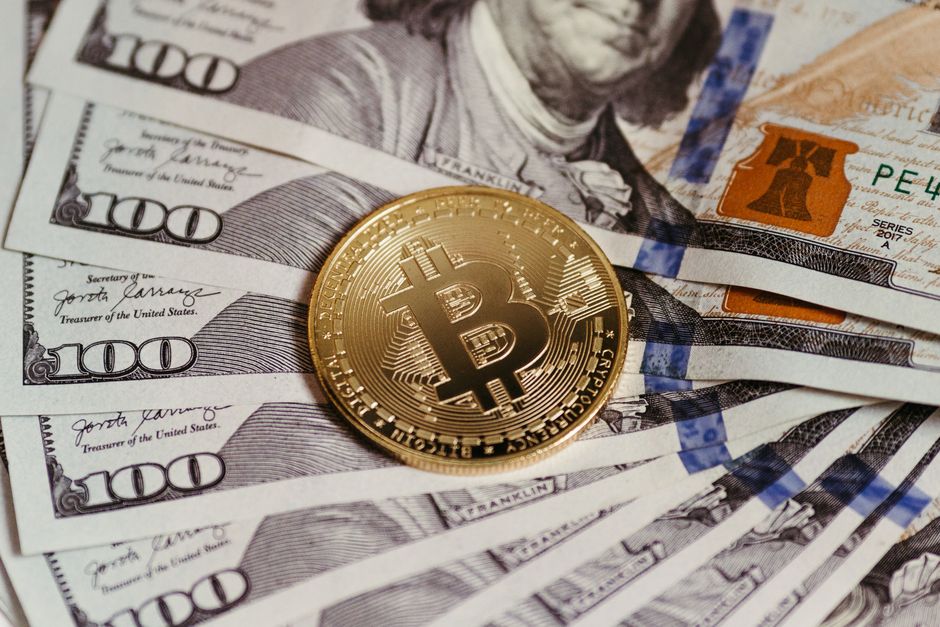
Bitcoin jumped 6.66 percent to $62,456, its strongest single-session move in several weeks. Crypto tends to track risk appetite closely, and a move of that magnitude on a day when equities also rallied confirms that some portion of Friday's buying was straightforwardly speculative, driven by positioning rather than any new fundamental development. Stockholm-listed financial firms with disclosed crypto treasury holdings or ETF exposure will have seen that reflected in their share prices by the end of European trading.
The divergence between oil and gold is particularly instructive for pension managers at Swedish institutions such as Alecta or AMF, who run large balanced mandates. A falling oil price compresses the earnings expectations of energy companies that may sit inside global index funds, while rising gold inflates the value of commodity allocations. The net effect on a diversified Swedish pension portfolio is ambiguous, which is precisely why Friday's session, despite its strong equity performance, is generating more analytical caution than outright relief in fixed income and multi-asset desks across Stureplan.
The currency move deserves separate attention. The EUR/USD rate at 1.1440 represents a continued drift away from the dollar that has been building since the spring. For a Swedish importer buying goods priced in dollars, that is straightforwardly helpful. For an exporter competing in euro-denominated markets, a stronger euro is less so, since Swedish products priced in kronor become relatively more expensive as the cross rates adjust. The Riksbank's next rate decision, scheduled for later this month, will have to account for an external currency environment that is shifting faster than most of its spring forecasts anticipated.
The broader read on global risk appetite is one of cautious engagement rather than full-throated optimism. The S&P 500's move to 7,483 puts the index at levels that imply considerable confidence in continued earnings growth from major technology and communications companies. But the simultaneous demand for gold at $4,187, a price that would have been considered extraordinary even eighteen months ago, tells a different story about how much of that confidence is actually conviction and how much is simply the absence of a better alternative. Stockholm investors who have ridden the US equity rally through their AP-fund contributions or private brokerage accounts have benefited substantially. The question their advisers are now asking is whether a 4 percent single-session move in gold is a warning they can afford to ignore.