Gold hit $4,187 an ounce on Friday, a gain of more than four percent in a single session, and the number stopped conversations on Biblioteksgatan. For Stockholm investors who have spent the past eighteen months watching the Riksbank manage a delicate rate cycle while the krona traded sideways, the precious metal's move was a reminder that the biggest returns in 2026 are not coming from sovereign debt or domestic property. They are coming from hard assets and, increasingly, from the technology firms clever enough to sit between those assets and a new generation of retail investors.
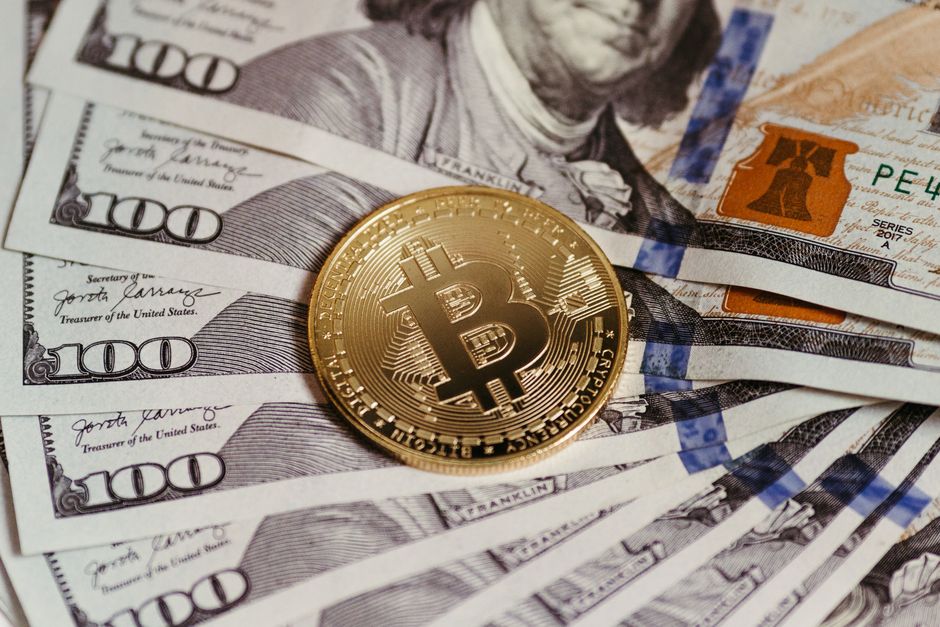
The broader session was strong. The S&P 500 climbed 1.71 percent to 7,483 and the Nasdaq Composite added 1.87 percent to reach 25,833, lifted by semiconductor names and a handful of large-cap technology positions that Swedish pension funds, including AP7 and Alecta, carry in their global equity sleeves. Bitcoin jumped 6.66 percent to $62,456, reinforcing the day's appetite for anything that behaves like a store of value when the dollar softens. The EUR/USD rate ticked up 0.47 percent to 1.1440, which marginally compresses the krona-denominated value of unhedged dollar holdings for Stockholm institutions.
Crude oil told a different story entirely. WTI fell 2.78 percent to $68.78 a barrel, dragging energy sector valuations and giving manufacturers and logistics operators on the Stockholm exchange a quiet tailwind. For Swedish industrial names, cheaper energy inputs in the second half of the year could shore up margins that were squeezed through much of 2025.
The Entrepreneur Catching the Wave
Amid that backdrop, it is worth examining what Klarna alumna Sofia Lindqvist has been building at her Stockholm-based wealth platform Auric Markets, which she co-founded in early 2024 and which quietly crossed 40,000 registered Swedish users last month. Auric, which is not yet listed on Nasdaq Stockholm, lets retail investors gain fractional exposure to physically-backed gold and silver holdings through a mobile interface that reports in Swedish kronor and files automatically with Skatteverket for capital gains purposes. The timing, given Friday's gold print, looks almost prescient.
Lindqvist spent four years at Klarna's financial products division before leaving in late 2023, when she concluded that embedded finance had largely solved the payment problem but had done almost nothing to democratise commodity ownership for ordinary Swedes. Auric's model charges a 0.35 percent annual custody fee and zero trading commission, undercutting the spread-based pricing at most Swedish retail brokers. The company closed a seed round of 28 million kronor from Northzone and a Gothenburg-based family office in March 2025, and is understood to be in discussions about a Series A that would value the firm somewhere north of 200 million kronor, according to people familiar with the process who were not authorised to speak on the record.
The business model depends on exactly the sort of session gold had on Friday. Retail interest in the metal spikes when the price moves sharply, and Auric's growth team tracks inbound sign-ups in near real-time. When gold cleared the $4,000 level for the first time earlier this year, the platform reportedly saw its largest single-day user acquisition number. Friday's move to $4,187 will be another test of whether that pattern holds.
Swedish financial regulators at Finansinspektionen have been watching the fractional-asset space with cautious interest rather than alarm, largely because physically-backed commodity structures do not carry the leverage risks that synthetic products do. That regulatory clarity has given Auric room to grow without the overhead that typically burdens firms operating in adjacent spaces. The company operates out of offices near Stureplan in central Stockholm and has 23 full-time employees.
For Stockholm investors reading Friday's tape, the immediate takeaways are straightforward. Their global equity exposure performed well; the euro's modest strength against the dollar trims the headline gains slightly for unhedged positions; and oil's slide is a net positive for the Swedish industrial and transport sectors. Gold's extraordinary move is the dominant fact of the session, and it reinforces what Lindqvist told an audience at the Nordic Fintech Week conference in Stockholm last September: that Swedish savers chronically underweight real assets relative to their peers in Germany and Switzerland, and that a platform built specifically for that gap has a long runway ahead of it. Friday's market gave that argument another four percent of credibility.