Gold cleared yet another milestone on Friday, touching $4,187 per troy ounce, a gain of 4.1 percent in a single session. That number matters to Stockholm residents for reasons beyond abstract market theory. Swedish pension funds, including the major AP buffer funds that underpin millions of Swedes' retirement savings, hold meaningful allocations to commodities and inflation-linked assets. When gold rises this sharply, it typically signals that large institutional money is seeking cover from something, whether that is renewed currency uncertainty, geopolitical friction or a creeping suspicion that central bank credibility is being tested. Stockholmers with defined-contribution pension pots invested through platforms such as Avanza or Nordnet should check whether their selected funds carry any commodity or real-asset exposure that might be cushioning them right now.
Equities, meanwhile, were firing on most cylinders. The S&P 500 climbed 1.71 percent to 7,483 and the Nasdaq Composite rose 1.87 percent to 25,833. Swedish savers who channel money into globally diversified index funds, a popular choice through the Swedish Premium Pension system, will welcome those numbers. The technology-heavy composition of the Nasdaq means companies like Nvidia, Microsoft and Alphabet are doing the heavy lifting, and Stockholm investors with passive global mandates are along for the ride. The caveat is that valuations at these index levels are stretching historical norms, and a single bad inflation print from Washington or Frankfurt could reverse weeks of gains inside a trading day.
The Krona, Crude Oil and Your Grocery Bill
The currency picture is where things get more personal for ordinary Stockholmers. The euro gained 0.47 percent against the dollar on Friday, with EUR/USD moving to 1.1440. The Swedish krona tends to track the euro reasonably closely given Sweden's deep trade ties with the eurozone, so a stronger euro generally provides some indirect support to the krona's purchasing power against dollar-denominated imports. That matters when Swedes buy electronics, certain foodstuffs and, above all, energy priced in dollars.
On energy: WTI crude oil fell 2.78 percent to $68.78 per barrel. That is a significant drop in a single session, and the direction is welcome news for Swedish households who have watched electricity and heating costs consume a growing share of monthly budgets since 2022. Sweden's energy mix is heavily weighted toward hydropower and nuclear, so the transmission from oil prices to electricity bills is not direct. But diesel costs for transport and logistics do filter through to prices on supermarket shelves and construction sites. Cheaper crude, if it persists, should eventually ease some of that pressure. The operative word is eventually; fuel retailers and logistics firms are rarely quick to pass savings downstream.
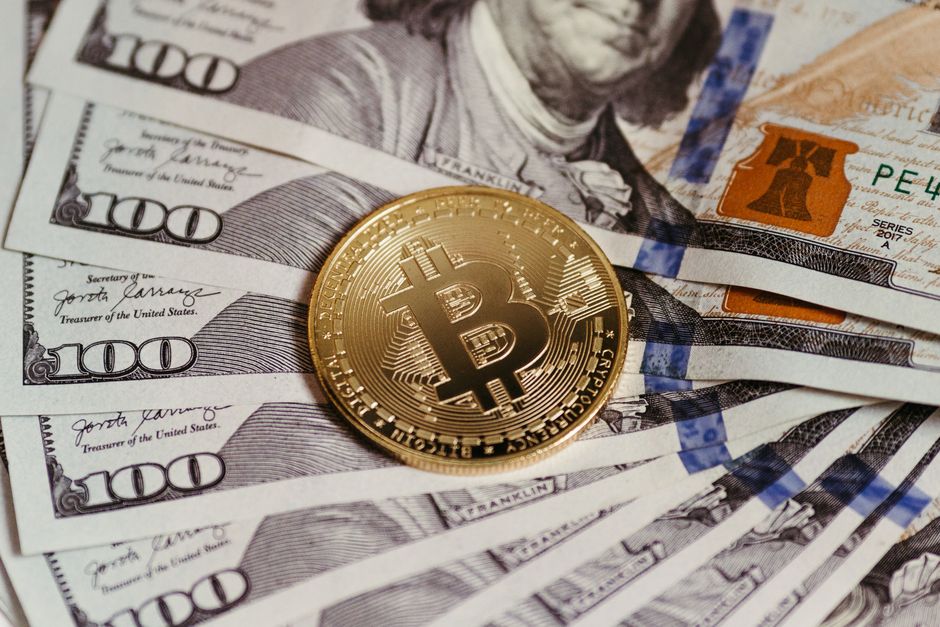
Bitcoin surged 6.66 percent to $62,456 on Friday. Swedish retail participation in cryptocurrency has grown steadily since Nasdaq Stockholm listed the first bitcoin exchange-traded products in Europe back in 2015, and products tracking bitcoin are accessible through standard Swedish brokerage accounts today. The Friday move will have pleased those holders, but the asset's correlation with risk appetite means it can reverse just as aggressively. The Swedish Financial Supervisory Authority, Finansinspektionen, has consistently reminded retail investors that crypto positions should be sized relative to one's capacity to absorb a complete loss. That advice has not changed.
For mortgage holders, the most relevant variable remains what the Riksbank does next with its policy rate. The central bank has been cautiously cutting rates through 2025 and into 2026, and the global picture on Friday was broadly constructive for that path to continue. Falling oil prices reduce inflationary pressure, a stronger euro provides some import-price relief, and buoyant equity markets signal that the real economy has not buckled. None of that guarantees the Riksbank moves in September, but nothing in Friday's data forces its hand toward a pause either. Homeowners on variable-rate mortgages, a large share of the Swedish market given the country's preference for three-month floating rates, are watching that calendar closely.
The practical upshot for Stockholm residents is this: Friday was a day when safe-haven assets and risk assets both rallied simultaneously, which is an unusual and sometimes unstable configuration. Gold and bitcoin going up together while oil falls and equities climb suggests markets are pricing multiple scenarios at once. That kind of session rewards diversification and punishes concentration. If your Swedish savings are sitting entirely in cash amid 2 percent or lower deposit rates at Handelsbanken or SEB, Friday's moves are a reminder of what you are not participating in. If they are entirely in tech equities, gold's 4 percent jump is a reminder of what can move when sentiment shifts.